
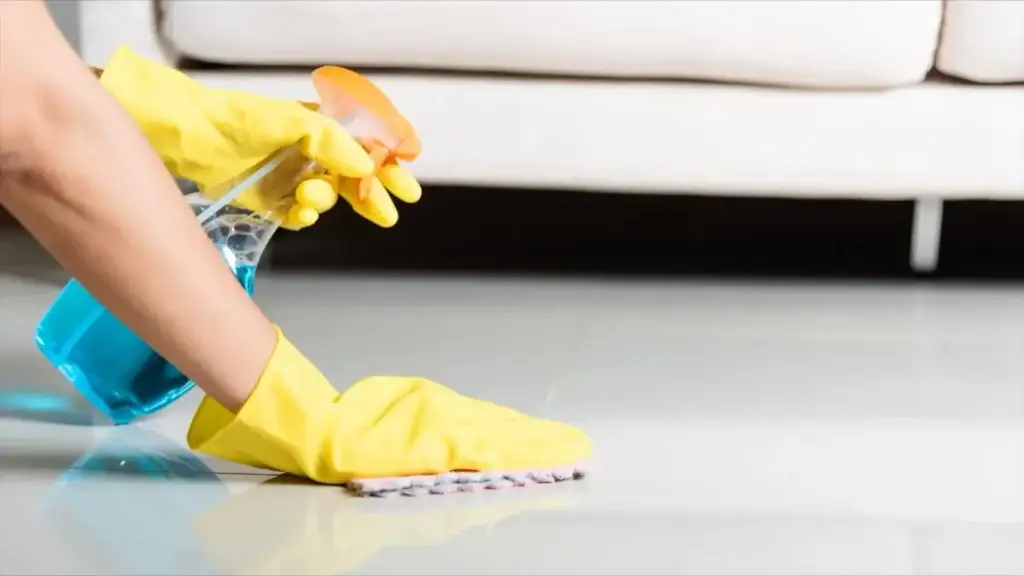
Your floors take more abuse than any other surface in your home. They handle foot traffic, pet paws, spilled drinks, dropped food, and daily wear that never stops. Smart floor care starts with understanding that different materials need different treatment. What works on tile can permanently damage hardwood, and what cleans laminate can ruin natural stone.
South Shore homeowners often have multiple floor types throughout their homes. Hardwood in the living room, tile in the kitchen and bathrooms, carpet in the bedrooms, and maybe laminate or vinyl in high-traffic hallways. Knowing the right floor care approach for each material protects your investment and keeps every room looking its best for years. These six tips break it down by material type so you always use the right method.
Tip 1: Hardwood Floor Care Requires Gentle, Dry-Focused Cleaning
Hardwood floors are beautiful, warm, and timeless. They are also sensitive to moisture, harsh chemicals, and abrasive tools. The biggest mistake homeowners make with hardwood floor care is using too much water. Excess moisture seeps between boards, causes warping, and damages the finish permanently over time.
Sweep or vacuum hardwood floors daily using a soft-bristle attachment or a hard floor vacuum setting. This removes dust, dirt, and small particles before they can scratch the surface. Sand and grit are hardwood’s worst enemies because foot traffic grinds them into the finish like sandpaper.
For mopping, use a barely damp microfiber mop with a pH-neutral cleaner specifically designed for hardwood. Wring the mop thoroughly so it is almost dry before touching the floor. Never pour water directly onto hardwood and never let puddles sit on the surface.
Avoid steam mops, vinegar, and all-purpose cleaners on hardwood. Steam forces moisture into the wood grain. Vinegar dulls polyurethane finishes over time. All-purpose cleaners often leave residue that attracts dirt and creates a hazy film.
Place felt pads under all furniture legs to prevent scratching when chairs and tables are moved. Area rugs in high-traffic zones like hallways and entryways provide an extra layer of protection. Use rug pads underneath to prevent moisture from getting trapped between the rug and the floor, which can cause discoloration and warping.
Refinishing is not always necessary when hardwood looks worn. A professional buff and recoat restores the finish without the expense and disruption of full sanding. This maintenance step every five to seven years keeps hardwood looking rich and polished for decades without a full renovation.
Tip 2: Tile Floor Care Handles More but Grout Needs Attention
Tile is one of the most durable flooring materials available. It resists moisture, handles heavy traffic, and cleans up easily. However, tile floors have one major weakness — grout. Those narrow lines between tiles absorb stains, harbor bacteria, and discolor quickly without regular maintenance.
Sweep or vacuum tile floors daily to remove loose dirt and prevent scratching from gritty particles. Mop weekly with warm water and a mild cleaning solution. Avoid oil-based cleaners on tile, as they leave a slippery residue that attracts more dirt and creates a safety hazard on wet surfaces.
For grout maintenance, scrub lines with a baking soda paste and a small stiff brush every few weeks. This prevents discoloration and keeps grout looking bright. For heavily stained grout, commercial grout cleaners or a paste of hydrogen peroxide and baking soda restore the original color more effectively than household products.
Sealing grout once or twice a year creates a protective barrier that resists stains and simplifies ongoing floor care. Most hardware stores carry grout sealers that are easy to apply at home. Apply the sealer after a thorough cleaning, let it cure for 24 hours, and your grout will resist staining for months.
Here are the key supplies to keep on hand for effective tile floor care:
- Baking soda and a small stiff brush for grout scrubbing
- A pH-neutral tile cleaner for weekly mopping
- Grout sealer for biannual application
- Microfiber mop pads that capture dirt without scratching
- A vacuum with a hard floor setting to avoid tile damage
Tip 3: Laminate Floor Care Requires Minimal Moisture
Laminate flooring looks like hardwood but behaves differently. It is a layered product with a photographic surface that can be damaged by excessive water, abrasive scrubbers, and harsh chemicals. Proper laminate floor care means keeping things simple and consistently dry.
Sweep, dust mop, or vacuum laminate floors regularly using a hard floor setting. When mopping is necessary, use a lightly dampened microfiber mop with a cleaner made specifically for laminate. Never pour water directly onto laminate floors and never use a soaking wet mop.
Avoid wax-based polishes, steam cleaners, and abrasive pads on laminate. These products damage the wear layer and can cause the laminate to bubble, peel, or lose its luster permanently. If a spill occurs, wipe it up immediately. Standing liquid is laminate’s biggest enemy because it seeps into the seams and causes irreversible swelling.
For scratches and scuff marks, laminate repair kits are available at most hardware stores. These kits include color-matched putty and markers that fill minor damage and restore a uniform appearance. For deeper gouges, individual planks can sometimes be replaced without redoing the entire floor.
Direct sunlight can fade laminate over time. Use curtains or blinds in rooms with large windows and heavy sun exposure. Rearranging furniture and rugs periodically helps prevent uneven fading patterns across the floor surface.
Tip 4: Carpet Floor Care Needs Deep Vacuuming and Periodic Extraction
Carpet fibers trap dust, allergens, pet hair, and bacteria deep within their structure. Regular vacuuming removes surface debris, but it does not reach everything embedded below. A two-layer approach — frequent vacuuming plus periodic deep extraction — keeps carpet fresh, clean, and long-lasting.
Vacuum carpeted areas at least twice a week, or daily in high-traffic zones and homes with pets. Use a vacuum with strong suction and a rotating brush head that lifts fibers and dislodges trapped particles. Slow, overlapping passes are significantly more effective than quick, rushed strokes.
Schedule professional hot water extraction cleaning every six to twelve months. This method penetrates deep into carpet fibers, removes embedded dirt and allergens, and kills bacteria and dust mites that vacuuming alone cannot reach. For families with pets, children, or allergy sufferers, professional extraction every four to six months delivers noticeably healthier results.
Spot-treat stains immediately using a carpet-safe stain remover. Blot the stain gently instead of rubbing, which spreads the stain and damages fibers. The faster you address a spill, the less likely it is to become permanent. Keep a small stain removal kit accessible so you can respond within minutes, not hours.
Between professional cleanings, sprinkle baking soda across carpeted areas and let it sit for 15 to 20 minutes before vacuuming. This absorbs odors naturally and refreshes the carpet without chemicals. Focus on areas where pets rest and high-traffic paths where odors concentrate.
Tip 5: Natural Stone Floor Care Demands Special Products
Natural stone floors like marble, granite, travertine, and slate bring elegance to any home. They also require careful floor care because stone is porous, reactive to acids, and susceptible to etching and staining that can be permanent.
Sweep or dust mop natural stone daily. Use a vacuum with a hard floor setting and no beater bar to avoid scratching. For mopping, use only a stone-specific cleaner with a neutral pH. Common household cleaners, vinegar, lemon juice, and bleach can all damage natural stone surfaces permanently and void manufacturer warranties.
Seal natural stone floors annually to protect them from moisture absorption and staining. Even sealed stone should be wiped dry after spills as quickly as possible. Wine, citrus, coffee, and tomato sauce are especially damaging to stone surfaces and can etch or stain within minutes of contact.
A professional stone cleaning service can polish and reseal your floors safely. This is one material where expert floor care truly pays off, as mistakes in cleaning can be costly and sometimes irreversible. Professional stone restoration removes etching, restores the polished finish, and extends the life of your investment considerably.
Tip 6: Vinyl Floor Care Is Low-Maintenance but Not Maintenance-Free
Vinyl and luxury vinyl plank flooring have become increasingly popular for good reason. They are waterproof, durable, affordable, and available in styles that closely mimic hardwood and stone. Floor care for vinyl is straightforward, but a few best practices keep it looking new for years.
Sweep or vacuum daily to remove dust and debris that can scratch the surface over time. Mop weekly with warm water and a mild, vinyl-safe cleaner. Vinyl handles moisture much better than hardwood or laminate, so you can use a slightly wetter mop without worry.
Avoid abrasive scrubbers, acetone-based products, and wax polishes on vinyl. These can dull the surface, leave residue, or cause discoloration. For scuff marks, a damp cloth with baking soda usually does the trick. For stubborn marks, a melamine sponge works well without damaging the finish.
Place felt pads under furniture legs to prevent indentation, and use doormats at entryways to reduce the amount of grit tracked onto the floor. Heavy furniture can leave permanent dents in vinyl if not properly protected, especially in warm rooms where the material softens slightly.
Matching Your Floor Care to Your Home and Lifestyle
Every household is different. Families with pets need more frequent vacuuming and quicker stain response times. Homes with young children benefit from non-toxic cleaning products and slip-resistant treatments. Busy professionals may prefer outsourcing floor care to a reliable cleaning service that understands material-specific needs.
The key to successful floor care is consistency. A few minutes of daily maintenance prevents the kind of buildup that requires hours of intensive scrubbing. Matching your cleaning schedule to your floor materials and your household activity level keeps every surface protected and presentable year-round.
Professional cleaning teams tailor their approach based on the flooring in each room. This material-specific care ensures that every floor type receives the attention it needs without risk of damage from improper products or techniques that could void warranties or cause permanent harm.
Walk on Floors That Shine
Proper floor care starts with knowing your materials and using the right approach for each one. Hardwood, tile, laminate, carpet, natural stone, and vinyl all have specific needs that, when met consistently, keep them looking beautiful and lasting longer. Whether you handle the maintenance yourself or partner with professional cleaners, these six floor care tips give you the knowledge to protect your floors and enjoy a cleaner home from the ground up.