
Pets make a house feel like a home. They also make it significantly harder to keep clean. Fur floats through the air, paw prints track mud across freshly mopped floors, and mystery stains appear on cushions overnight. Cleaning a house with pets is not the same as cleaning any other home. It requires different tools, different products, and a daily routine built around the realities of living with animals.
The good news is that maintaining a clean home with pets does not require hours of extra work each day. It requires smarter habits and the right approach. These nine tips cover the daily, weekly, and monthly tasks that keep your home fresh, healthy, and welcoming — for both the humans and the animals who share it.
Tip 1: Vacuum Every Day in High-Traffic Areas
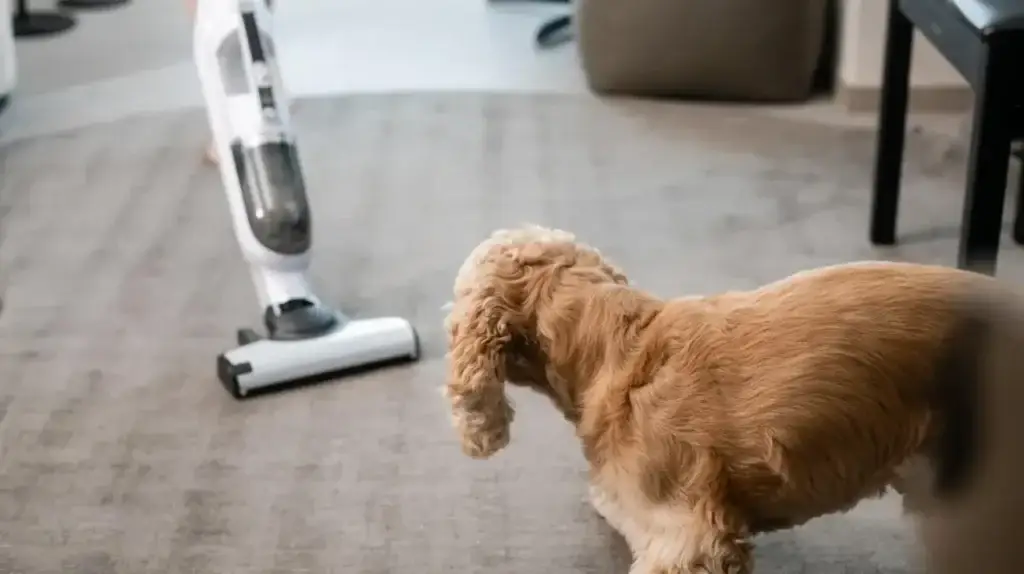
When you are cleaning a house with pets, daily vacuuming is not optional. It is the single most effective habit you can build. Pet hair accumulates on floors, furniture, and stairs at a pace that overwhelms every-other-day schedules, especially during shedding season.
Focus your daily effort on the areas where your pet spends the most time. Living rooms, hallways, pet beds, and the zones around feeding stations collect the most hair and dander. Use a vacuum designed for pet homes with strong suction, a motorized brush roll, and HEPA filtration to capture allergens instead of recirculating them.
Vacuum upholstered furniture weekly using the upholstery attachment. Pet hair weaves into fabric fibers and clings stubbornly. Slow, overlapping passes lift more hair than quick back-and-forth strokes. If your pet has a favorite spot on the couch, vacuum that area every two to three days.
For homes with multiple pets, consider running a robot vacuum daily between your deeper manual sessions. Robot vacuums handle surface-level hair and dust effectively and prevent the visible accumulation that makes a pet home feel unkempt between your thorough cleanings.
Tip 2: Wipe Paws at Every Entry Point
Prevention eliminates cleanup. Training your pet to pause at the door for a quick paw wipe saves hours of floor cleaning over the course of a month. Muddy paw prints, grass, pollen, and bacteria all enter your home on your pet’s feet the moment they walk inside.
Keep a dedicated towel or paw-cleaning device at every door your pet uses. A quick wipe of all four paws takes less than 30 seconds and dramatically reduces the dirt tracked through your home. In wet or snowy weather, this single habit prevents muddy trails across every room your pet visits.
Place washable doormats both inside and outside entry doors. Double-mat systems capture the bulk of outdoor debris before it reaches your main flooring. Wash these mats weekly in hot water to maintain their effectiveness and prevent them from becoming odor sources themselves.
For dogs that enjoy digging or playing in mud, keep a shallow basin of warm water near the back door for a quick paw rinse before entry. Dry thoroughly with a dedicated pet towel to prevent wet footprints and moisture damage to hardwood or laminate floors.
Tip 3: Neutralize Odors at the Source Instead of Masking Them
Air fresheners and scented sprays do not solve pet odor problems. They layer fragrance over the smell, creating an even less pleasant combination that guests notice immediately. Effective odor control when cleaning a house with pets means identifying and eliminating the source directly.
Pet odors concentrate in specific areas. Bedding, carpet, upholstered furniture, litter boxes, and crate areas are the primary sources. Address each one individually with targeted treatments rather than trying to freshen the entire house with a single product.
Wash pet beds and blankets weekly in hot water with a mild, pet-safe detergent. Hot water kills bacteria and dust mites that contribute to odor. Sprinkle baking soda on carpets and fabric furniture, let it sit for 15 to 20 minutes, and vacuum thoroughly. Baking soda absorbs odors naturally without introducing chemicals.
For urine accidents or vomit stains, use enzymatic cleaners designed specifically for pet messes. These products break down the organic compounds that cause persistent odor at a molecular level. Standard cleaners only remove the surface stain while leaving the odor-causing compounds intact, which is why the smell returns even after the visible stain disappears.
Key odor control strategies for pet homes include:
- Washing all pet bedding and blankets in hot water weekly
- Applying baking soda to carpets and fabric before vacuuming
- Using enzymatic cleaners on all accident spots immediately
- Scooping litter boxes daily and changing litter completely each week
- Running HEPA air purifiers in rooms where pets spend the most time
- Washing pet collars, harnesses, and toys monthly
Tip 4: Use Only Pet-Safe Cleaning Products
Many common household cleaners contain chemicals that are toxic to animals. Bleach, ammonia, phenol-based disinfectants, and certain essential oils like tea tree, eucalyptus, and pine can cause respiratory distress, skin irritation, or poisoning in dogs and cats.
When cleaning a house with pets, choose products labeled non-toxic, pet-safe, and free of harsh fumes. Vinegar and water solutions work well for general surface cleaning. Baking soda handles odors and light scrubbing. Hydrogen peroxide diluted with water provides effective sanitizing without the risks that bleach presents to animal respiratory systems.
Read labels carefully. Products marketed as natural are not always pet-safe. Some natural ingredients, including certain plant-based essential oils, are toxic to cats even in small concentrations. When in doubt, check the ASPCA’s list of toxic substances for pets before using any new product in your home.
Store all cleaning products securely in closed cabinets that pets cannot access. Even pet-safe products can cause digestive issues if ingested in large quantities. Cabinet locks designed for childproofing work equally well for curious dogs and cats.
Tip 5: Manage Feeding Areas and Litter Boxes Daily
Feeding areas and litter boxes are permanent fixtures in pet homes that require daily attention. Neglecting these zones for even a few days creates odor problems, attracts pests, and compromises the hygiene of your kitchen and utility areas.
Wash food and water bowls daily with hot water and dish soap. Bacteria builds up on pet dishes rapidly, especially in warm weather. Biofilm — the slimy coating that forms on water bowls — is a colony of bacteria that can cause illness in both pets and humans. Replace plastic bowls with stainless steel or ceramic, which resist bacterial growth and are easier to sanitize thoroughly.
Wipe down the floor around feeding stations daily. Scattered kibble, water splashes, and food residue attract ants and other pests if left unattended. Place a washable mat under bowls to catch spills and simplify cleanup.
Scoop litter boxes at least once daily, ideally twice. Complete litter changes should happen weekly with a thorough scrub of the box itself using mild soap and warm water. Place a tracking mat in front of the litter box to capture stray litter before it spreads across your floors. These small daily actions prevent the gradual odor buildup that makes a pet home smell unpleasant despite regular cleaning.
Consider placing a small tray under water bowls to catch splashes and drips. This is especially helpful for messy drinkers. The tray contains the mess and protects your flooring from constant water exposure that can cause damage over time.
Tip 6: Wash Soft Surfaces and Pet Gear Regularly
Every fabric surface your pet touches becomes a reservoir for hair, dander, saliva, and body oils. This includes pet beds, blankets, couch cushions, throw pillows, and the towels you use for drying after baths and walks.
Wash pet beds and blankets in hot water every one to two weeks. Use a fragrance-free, pet-safe detergent and run an extra rinse cycle to remove all soap residue that could irritate your pet’s skin. Dry on high heat to kill bacteria and dust mites that thrive in warm, moist fabric.
For couch cushions with removable covers, wash them monthly. For cushions without removable covers, vacuum thoroughly and treat with baking soda between professional cleaning sessions. Rotating and flipping cushions distributes wear evenly and prevents odor from concentrating in your pet’s favorite spot.
Do not forget pet gear. Collars, harnesses, leashes, and toys accumulate bacteria and odors over time. Wash fabric collars and harnesses monthly in warm soapy water. Clean hard toys with a mild dish soap solution. Replace rope toys and plush toys when they become excessively worn or start to smell despite washing.
Tip 7: Address Scratches, Stains, and Damage Promptly
Pets cause accidental damage. Scratched hardwood floors, stained carpets, chewed baseboards, and claw marks on door frames are part of the reality of living with animals. Addressing these issues promptly when cleaning a house with pets prevents minor damage from becoming costly repairs.
For hardwood floor scratches, use a wood-tone marker or scratch repair kit to fill and disguise surface-level marks. Deep gouges may need professional sanding and refinishing, but most everyday pet scratches respond well to DIY repair products.
For carpet stains from accidents, blot immediately with a clean white cloth. Apply an enzymatic cleaner following the product instructions and let it work for the recommended time before blotting again. Never rub a carpet stain, as this pushes the liquid deeper into the carpet pad where it becomes nearly impossible to remove completely.
Protecting vulnerable surfaces proactively reduces the need for repairs. Apply scratch-resistant coatings to hardwood floors in areas where your pet runs and plays. Place protective film on glass doors and windows at pet height to prevent nose prints and scratches.
Tip 8: Control Pet Hair on Clothing and Furniture Between Vacuuming
Pet hair migrates to clothing, throw pillows, and every fabric surface in your home between vacuuming sessions. A few simple tools and habits keep hair under control without requiring constant cleanup.
Keep lint rollers in multiple locations — by the front door, in the bedroom, and in your car. A quick roll before leaving the house removes visible pet hair from clothing in seconds.
For larger fabric surfaces like couches and car seats, slightly damp rubber gloves create static friction that pulls pet hair into easy-to-grab clumps. This trick works surprisingly well and costs nothing.
Add dryer sheets to every load of laundry that includes pet-contacted fabrics. The anti-static properties release trapped hair during the drying cycle, preventing it from transferring to other garments.
Tip 9: Professional Support for Cleaning a House With Pets
Daily habits keep your home looking presentable, but deep pet-related buildup requires professional attention periodically. Hair embedded in carpet padding, dander settled in air vents, and odors absorbed into upholstery fibers all accumulate beyond what daily cleaning a house with pets can address.
Professional cleaning services bring commercial-grade HEPA vacuums, hot water extraction equipment, and enzymatic treatments that reach buildup consumer tools cannot access. They clean inside air vents, behind furniture, along baseboards, and in the hidden zones where pet hair and dander collect silently over months.
For South Shore families with one or more pets, scheduling professional deep cleaning every three months provides the most effective results. Each session resets your home to a baseline level of freshness that your daily routine can maintain until the next visit. This combination of daily habits and quarterly professional support creates the most sustainable system for keeping a pet home genuinely clean and healthy.
Happy Pets, Spotless Home
Cleaning a house with pets does not mean sacrificing your standards for a clean home. It means adapting your approach to match the unique challenges that animals bring. These nine tips cover everything from daily vacuuming and odor control to product safety and professional support. With the right habits in place, you can enjoy every moment with your pets in a home that looks, smells, and feels fresh every day.