
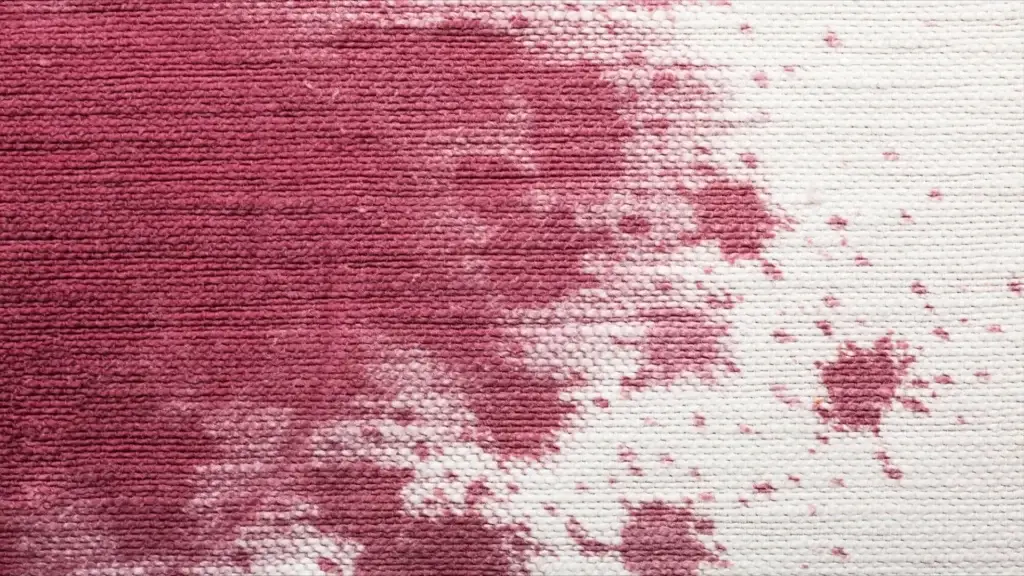
The most reliable approach to how to remove wine stains starts with the right product and the right technique. Anyone who has struggled with how to remove wine stains will find that consistency matters more than any single method. Professional cleaners recommend how to remove wine stains practices that combine preparation, treatment, and prevention. This guide covers how to remove wine stains from every angle. Each method for how to remove wine stains is explained with the exact steps that deliver reliable results.
Wine stains happen to everyone. One spilled glass can leave a dark, stubborn mark on your carpet, couch, or favorite tablecloth. The good news is that knowing how to remove wine stains quickly makes all the difference.
The key is to act fast. Fresh stains are much easier to treat than dried ones. In this guide, you will find seven proven methods to remove wine stains from different surfaces, using products you already have at home.
Why wine stains are so hard to remove
Red wine contains tannins, natural dyes, and chromogens. These compounds bond quickly with fabric fibers. Once the stain dries, those bonds become even stronger. That is why speed matters more than anything else.
White wine and rosé are easier to treat because they lack the same level of tannins. Still, they can leave a sticky residue if left untreated.
For professional guidance on fabric care and stain chemistry, the American Cleaning Institute publishes research-backed resources on effective stain treatment.
What to do in the first 60 seconds
Before you reach for a cleaning product, take these steps:
- Blot the stain immediately with a clean cloth or paper towel.
- Never rub. Rubbing pushes the stain deeper into the fibers.
- Work from the outside of the stain toward the center to avoid spreading it.
- Remove as much liquid as possible before applying any cleaner.
This first step is the most important part of how to remove wine stains effectively.
7 ways to remove wine stains from fabric, carpet and upholstery
1. Cold water and dish soap
This method works well on fresh wine stains on most fabrics. Mix one tablespoon of dish soap with two cups of cold water. Apply the solution to the stain, blot with a clean cloth, and repeat until the stain fades. Rinse with cold water and blot dry.
Do not use hot water. Heat sets the stain permanently.
2. Salt on a fresh stain
Salt absorbs liquid before it sets. Pour a generous amount of table salt over a fresh wine stain on carpet or upholstery. Let it sit for three to five minutes, then vacuum or brush it away. Follow up with the dish soap method above.
This technique is especially useful for wine stains on carpet because the salt draws the liquid up from the fibers.
3. Club soda
Club soda is one of the most well-known home remedies for red wine stain removal. The carbonation helps lift the stain from the surface. Pour it directly onto the stained area and blot immediately. Repeat two or three times for best results.
It works better on fresh stains. On dried wine stains, it may have limited effect on its own.
4. Baking soda and vinegar
This combination creates a mild cleaning reaction that can break down wine stains on fabric and carpet.
- Apply white vinegar to the stain and blot.
- Sprinkle baking soda over the area.
- Let it fizz and sit for five to ten minutes.
- Blot with a clean cloth and rinse with cold water.
This method is also useful for wine stains on sofas and upholstered chairs, as long as you avoid soaking the fabric.
5. Hydrogen peroxide and dish soap
This is one of the most effective solutions for how to remove wine stains from carpet and light-colored fabric. Mix one part dish soap with two parts hydrogen peroxide. Apply to the stain, let it sit for 20 to 30 minutes, then blot and rinse.
Important: Test this solution on a hidden area of the fabric first. Hydrogen peroxide can bleach darker materials.
6. Commercial stain removers
Products like Wine Away, OxiClean, or enzyme-based cleaners are specifically formulated for wine stain removal. Follow the instructions on the label. These products are especially helpful for dried red wine stains that home remedies cannot fully remove.
For wine stains on a sofa or delicate upholstery, look for products labeled safe for fabric use.
7. Salt and sparkling water on upholstery
For a wine stain on a sofa or upholstered furniture, combine salt and sparkling water for a gentle lift. Sprinkle salt on the stain, then pour a small amount of sparkling water over it. Blot firmly with a clean cloth. Repeat until the stain lightens.
This method is gentle enough for most fabric types, including microfiber and linen.
How to remove wine stains from specific surfaces
Wine stain on carpet
Carpet fibers trap stains quickly. Start with the blotting method, then apply a mixture of cold water, dish soap, and white vinegar. Work the solution into the fibers gently with a soft brush. Rinse and blot dry. If the stain persists, use a commercial carpet cleaner with enzyme-based formula.
For stubborn wine stains on carpet, a second or third treatment may be necessary.
Wine stain on a sofa
The approach depends on the fabric. For most sofas, use cold water and dish soap or the baking soda and vinegar method. Avoid over-wetting the cushions. Fabric can shrink or develop mildew if it stays damp for too long.
For leather sofas, use a damp cloth and mild soap only. Avoid harsh chemicals and always dry the surface immediately after cleaning.
Wine stain on fabric and clothing
Check the care label first. Most cotton, linen, and synthetic fabrics can handle the dish soap and cold water method. After pre-treating the stain, wash the item on a cool cycle. Do not put it in the dryer until you are sure the stain is gone.
What to avoid when treating wine stains
- Hot water: It sets the stain.
- Rubbing: It spreads the stain and damages fibers.
- Bleach on colored fabric: It causes discoloration.
- Letting the stain dry before treating: Dried stains are far harder to remove.
- Mixing cleaning products without testing: Some combinations can damage fabric.
When home remedies are not enough
Sometimes a wine stain is simply too set or the fabric is too delicate to treat safely at home. In those situations, professional cleaning is the right choice.
At Asubra Cleaning Services, our deep cleaning service covers upholstery, carpets, and hard-to-clean surfaces throughout the South Shore of Massachusetts. Our trained team uses professional-grade products that are safe for your home and family.
If you are dealing with a stubborn stain or need a full home refresh, get a fast quote from our team.
How to remove wine stains from different fabric types
Different fabrics respond differently to wine stain removal. Knowing the material you are dealing with changes the approach.
Cotton and linen: These absorb red wine quickly. Treat immediately with cold water and dish soap. Cotton is durable enough to handle hydrogen peroxide if the stain sets. Linen is more delicate, so test any cleaner on a hidden area first.
Polyester and synthetic blends: Less absorbent than natural fibers, so wine stains on polyester respond well to dish soap and cold water. Do not use hot water, as it can cause synthetic fibers to warp.
Wool: Delicate and easy to damage with harsh cleaning. Blot gently, apply a small amount of cold water and mild wool-safe detergent, and rinse carefully. Never rub wool. Take heavily stained wool items to a dry cleaner.
Silk: The most delicate common fabric. Blot only, never rub. Use cold water sparingly and consider professional dry cleaning for any significant wine stain on silk upholstery or garments.
Understanding how to remove wine stains on each fabric type helps you choose the right method without risking damage to the item.
Treating old and set wine stains
A dried, set wine stain is significantly harder to remove than a fresh one, but it is not always permanent. The approach changes because the dye has bonded more deeply to the fibers.
Start by re-wetting the stain with cold water to partially rehydrate it. Apply a stain remover formulated for dried stains, such as Wine Away or OxiClean, and allow it to soak for the time specified on the product. For fabric that can handle it, a paste of OxiClean and water left on the stain for several hours before washing often removes even old red wine stains on carpet and upholstery.
Be patient. Set stains may require two or three treatments before they fully release.
When to call a professional stain removal service
Not every stain responds to home treatment. Here are the signs it is time to call a professional:
- The stain has dried and darkened significantly.
- You have already tried two or three methods without success.
- The fabric is delicate or dry-clean only.
- The stained item has significant value, such as an antique rug or a designer sofa.
Professional stain removal services have access to stronger, safer formulas and equipment that go beyond what is available at the grocery store. Regular cleaning service can also help you maintain your home between deep treatments.
Frequently asked questions about how to remove wine stains
How to remove wine stains that have already dried? Dried wine stains require re-hydration first. Dampen the area with cold water, apply a commercial enzyme cleaner or OxiClean, and let it soak for 30 to 60 minutes before treating. Knowing how to remove wine stains that have set takes patience and often two or more treatment cycles.
Does salt really help when you are figuring out how to remove wine stains? Yes, but only on fresh spills. Salt absorbs liquid before it sets. Pour it generously, leave for five minutes, then vacuum. Follow with dish soap and water. Salt is a first-response tool, not a complete solution for how to remove wine stains on its own.
Is hot water ever okay when you are learning how to remove wine stains? Never. Hot water permanently bonds wine stain compounds to fabric fibers. Always use cold water at every stage of how to remove wine stains from any surface.
How to remove wine stains from a white couch? White upholstery shows red wine dramatically. Use the hydrogen peroxide and dish soap method, testing on a hidden area first. For white fabric, hydrogen peroxide is safe and effective. This is the most reliable method for how to remove wine stains on light-colored upholstery.
Can baking soda alone handle how to remove wine stains? Baking soda is useful for absorbing moisture and mild stains, but it is most effective when combined with vinegar or used as a follow-up treatment. For serious stains, combine it with another method from this guide.
Summary: how to remove wine stains on any surface
Knowing how to remove wine stains correctly depends on acting fast and choosing the right method for the material. On carpet, how to remove wine stains means blotting first, then applying salt, then treating with dish soap or hydrogen peroxide. On a sofa, how to remove wine stains means using baking soda and vinegar or a commercial upholstery cleaner. On fabric clothing, how to remove wine stains starts with cold water pre-treatment before machine washing.
The universal rule when learning how to remove wine stains from any surface is cold water only, blot never rub, and treat before the stain dries. Follow those three principles and most wine stains come out completely.
Learning how to remove wine stains is a practical skill every household needs. Whether it is how to remove wine stains from a white tablecloth, how to remove wine stains from a gray sofa, or how to remove wine stains from a light-colored carpet, the same core principles apply: cold water, blotting, the right cleaner for the material, and speed. Master how to remove wine stains and no spill needs to become a permanent problem.
Wine stains do not have to be permanent
Knowing how to remove wine stains gives you the confidence to act quickly and decisively. Most stains, even red wine on carpet or upholstery, can be fully removed with the right method and a bit of patience.
The most important rule is to act fast, blot instead of rub, and choose the right product for the surface. And when the stain is too much to handle alone, a professional cleaning service is just a call away.