
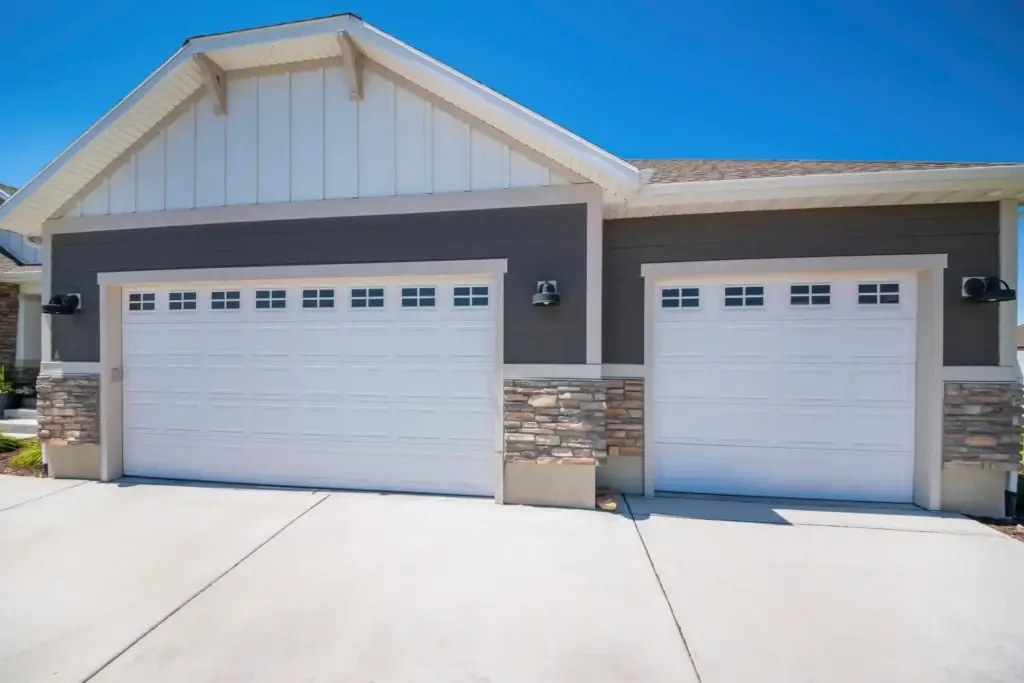
Clear, or “full-view,” garage doors have become a popular design element, offering maximum natural light and a modern, sleek aesthetic. These doors typically feature large panes of tempered glass or durable polycarbonate set into aluminum frames. While stunning, these transparent panels show dirt, dust, and streaks instantly, requiring a specific, gentle cleaning regimen to maintain clarity and prevent damage to both the glass and the specialized seals.
Here is the professional guide to cleaning and maintaining your clear garage doors for lasting brilliance.
Why Clear Garage Doors Need Special Care
Unlike standard opaque garage panels, the transparency of these doors exposes them to a unique set of maintenance challenges.
Exposure to Dust, Moisture, and Weather Buildup
The garage door is your home’s largest moving part and acts as a barrier against all external elements.
- Dust and Grit: Because of its vertical orientation, the door collects airborne dust, pollen, and road grit (especially if facing a street). If this abrasive material is not removed before washing, rubbing it will cause micro-scratches on the glass or polycarbonate surface.
- Hard Water Spots: Exposure to rain, sprinklers, or melting snow leaves mineral deposits, known as hard water spots, which can be difficult to remove without careful cleaning techniques.
Glass Surfaces Require Gentle Cleaning Methods
The cleaning agents and tools used on glass doors must be different from those used on metal panels or concrete.
- Avoiding Ammonia: While ammonia is common in some household glass cleaners, it is a harsh chemical that can potentially degrade the plastic seals, tints, or protective films used on some polycarbonate panels or garage window frames over time.
- Polycarbonate vs. Glass: If your door is polycarbonate (a durable plastic), it is much softer than tempered glass and significantly more prone to scratching from abrasive towels or harsh detergents. Always err on the side of softness and gentleness.
Step-by-Step Cleaning Process
This gentle, four-step process is designed to protect the clear panels while achieving a streak-free shine.
1. Rinse Thoroughly to Remove Debris and Sand
Before any scrubbing or wiping begins, you must neutralize the abrasive elements clinging to the surface.
- Use a Hose: Spray the entire door (top to bottom) with a standard garden hose. Use a nozzle setting that provides a gentle flow or wide spray.
- Crucial Step: This initial rinse is critical for removing the dry, loose dirt, sand, and grit. Skipping this step is the fastest way to scratch your panels, especially if they are polycarbonate.
2. Clean with Mild Soap and Microfiber Cloth
For the washing stage, simplicity is key. Avoid aggressive detergents.
- Mild Solution: Mix a few drops of a mild, pH-neutral soap or non-ammoniated dish soap (like Dawn) into a bucket of lukewarm water.
- Soft Tools: Use a microfiber cloth, sponge, or soft car wash mitt to wash the panels. Start at the top and work your way down, scrubbing lightly.
- Targeting Grime: For stubborn spots like bird droppings, allow the soapy solution to sit for a minute or two to soften the grime before wiping.
3. Rinse Again and Dry Completely
A final rinse and effective drying are necessary to prevent the formation of streaks and mineral spots.
- Final Rinse: Rinse the entire door thoroughly with clean water to remove all soap residue.
- Dry with Lint-Free Towels to Prevent Streaks: This is the secret to a crystal-clear finish. Immediately dry the panels using a clean, lint-free microfiber cloth or a dedicated glass squeegee. If using a squeegee, wipe the blade clean after each vertical or horizontal pass. Allowing the door to air-dry will almost certainly result in water spots or streaks.
Maintaining the Frames and Hardware
Maintaining the door’s mechanical components is essential for smooth operation and panel integrity.
Lubricate Hinges and Rollers
Your clear door panels are heavy, making the lubrication of moving parts even more important than on standard doors.
- Lubrication: At least twice a year, apply a professional-grade silicone or lithium-based garage door lubricant to all hinges, springs, and bearings. Avoid WD-40, which attracts dirt and dust.
- Wipe Tracks: Wipe down the interior tracks with a dry cloth to remove dirt buildup, but do not lubricate the tracks themselves. The rollers are designed to glide in clean, dry tracks.
Inspect Seals for Cracks or Corrosion
The vinyl or rubber seals around the door’s perimeter and between the panels prevent air, moisture, and dust intrusion.
- Inspection: Check the bottom weather seal and the perimeter seals for cracking, tearing, or flattening. A compromised seal allows corrosive moisture and dust to enter the garage and potentially damage the clear panels’ edges.
- Corrosion: Inspect the aluminum frames for signs of oxidation or corrosion, especially in areas where water pools.
Seasonal Maintenance Tips
Adjusting your maintenance routine seasonally ensures your clear doors withstand the varied weather conditions of the Northeast.
Protect Glass from Salt and Grime in Winter
Road salt and de-icing chemicals are highly corrosive and damaging.
- Frequent Rinsing: During the winter, rinse the lower panels and the frame seals more frequently to wash away salt residue, which can pit aluminum frames and compromise vinyl seals.
- Post-Winter Deep Clean: Immediately after the last frost, perform a deep clean using the mild soap method to remove the winter film buildup.
Avoid Abrasive Cleaners That Scratch Glass
Never use the following products on your clear garage panels, regardless of whether they are glass or polycarbonate:
- Powdered Cleansers or Cream Cleansers containing micro-abrasives.
- Steel Wool or Scouring Pads.
- Chemicals with high concentrations of ammonia or bleach.
FAQs
Can I pressure wash glass garage doors?
No, pressure washing is generally not recommended. While the glass itself can withstand the pressure, the force of the water can compromise the seals between the glass and the aluminum frames. This can lead to water infiltration, internal condensation, and potentially force water under the door, causing damage to the operator and electric components. A standard garden hose is sufficient and much safer.
What’s the best cleaner for clear door panels?
The absolute best cleaner is a solution of lukewarm water mixed with a few drops of mild, pH-neutral dish soap. For spot cleaning hard water marks or heavy residue, a 50/50 mixture of white vinegar and water applied with a soft cloth is highly effective and safe for most glass and polycarbonate surfaces. The key is using a streak-free, lint-free cloth for drying.
Clear garage doors make a stunning statement, and with the right care, they can maintain that showroom shine for years. Regular, gentle maintenance is the key to protecting your investment and maximizing your curb appeal.
Need professional help with exterior cleaning or maintenance? Contact Asubra Cleaning today to schedule a detailed service that keeps every surface of your home immaculate!