
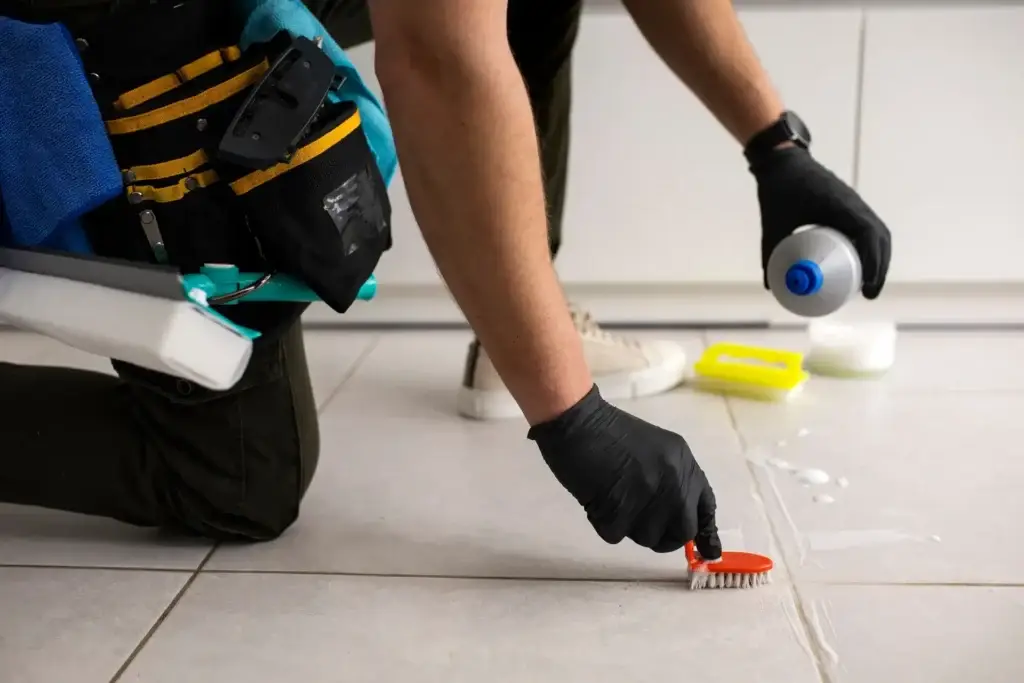
Renovations bring new life to a property, but they also bring an overwhelming amount of dust and debris. Once the contractors leave, the excitement of the new design is often dampened by the reality of the mess left behind. You cannot simply move furniture into a room coated in drywall powder and sawdust.
Post construction cleaning is the bridge between a chaotic work zone and a livable home or office. It requires a systematic approach, specialized tools, and a keen eye for detail to ensure the space is safe and pristine. This guide outlines the five critical steps to transform your construction site into a spotless environment.
Step 1: Rough Debris and Safety Hazard Removal
The first phase of post construction cleaning focuses on clearing the path. You cannot effectively clean surfaces if the floor is cluttered with large scraps. Therefore, you must begin by removing the heavy debris. Contractors often leave behind lumber scraps, drywall pieces, and packaging materials.
Removing these items immediately is crucial for safety. It prevents tripping accidents and reveals the floor surface for inspection. Furthermore, you must look for sharp objects. Nails, screws, and staples often hide in carpets or corners. Safety hazard removal is the top priority during this initial sweep.
Handling Protective Coatings
New appliances, windows, and fixtures usually arrive with protective plastic films. You should remove these during this first step. If you leave them on too long, sunlight can bake the adhesive onto the surface. Consequently, removal becomes difficult and risks scratching the new finish.
Peel these films off slowly. Afterward, check for any sticky residue. You might need a specialized adhesive remover to clean the surface without damaging it. This preparation ensures that the subsequent post construction cleaning steps focus on the actual surfaces, not the packaging.
Inspecting for Damage
As you clear the debris, inspect the new work. Sometimes, construction activity damages the very things that were just installed. Look for scratches on the floor or chips in the paint. Identifying these issues now allows you to address them before you finish the post construction cleaning.
If you find exposed wires or unsealed outlets, stop immediately. Do not clean these areas until a professional electrician secures them. Safety must always dictate the pace of your cleaning process.
Step 2: High-Level Dusting and HVAC Systems
Gravity is your best friend during post construction cleaning. You must always clean from the top down. If you clean the floors first, dust from the ceiling will simply fall and dirty them again. Therefore, start with the highest points in the room.
Dust settles on ceiling fan blades, light fixtures, and the tops of cabinets. Use a microfiber duster or a vacuum with an extension wand to capture this dust. Dust removal at this height prevents particles from floating down later.
Addressing the Air Vents
Construction dust is incredibly fine and easily becomes airborne. Your heating and cooling system likely pulled in this dust during the renovation. Consequently, the ductwork is often coated with debris. Cleaning the exterior of the vents is a standard part of post construction cleaning.
However, you must also address the internal components. Change all air filters immediately. If the renovation was extensive, consider hiring a professional to clean the ducts. This step is vital for air quality improvement and ensures you aren’t breathing in construction byproducts.
Cleaning Light Fixtures
New light fixtures are magnets for dust. A layer of white powder can dim the light and look unsightly. Carefully wipe down glass shades and bulbs. Ensure the electricity is off before you clean these fixtures with a damp cloth.
This attention to detail brightens the room significantly. It highlights the new paint and finishes. Proper lighting is essential for spotting missed spots in the later stages of post construction cleaning.
Step 3: Deep Cleaning Vertical Surfaces
Once the high dusting is complete, move to the walls. Freshly painted walls might look clean, but they often hold a thin layer of dust. Post construction cleaning involves gently dry dusting these surfaces to avoid damaging the new paint.
Baseboards and door frames require more aggressive cleaning. These horizontal ledges collect a significant amount of debris. You will likely need to vacuum them first to remove loose grit. Afterward, wipe them down to remove the stubborn layer of fine dust.
The Damp Cloth Technique
Using a damp cloth is the secret weapon in post construction cleaning. A dry cloth often just spreads the dust around. A slightly damp microfiber cloth traps the particles, removing them from the surface entirely.
However, be careful not to use too much water. Excess moisture can damage fresh drywall or unsealed wood. Wring out the cloth thoroughly before wiping. This technique is perfect for window sills, door casings, and trim work.
Window and Glass Care
Windows often take a beating during construction. They may have paint splatter, silicone residue, or just a thick layer of grime. Cleaning them is a multi-step process within the post construction cleaning workflow.
First, vacuum the tracks. Debris here can damage the window mechanism. Next, wash the glass with a professional solution. You may need a plastic scraper to gently remove paint specks. Finally, squeegee the glass for a streak-free shine.
Cleaning Inside Cabinets
Don’t forget the interiors. Sawdust loves to hide in the back corners of kitchen cabinets and drawers. A thorough post construction cleaning includes vacuuming these spaces out.
Wipe the shelves with a damp cloth to ensure they are ready for dishes. If you skip this step, you will find grit on your plates for months. This level of detail defines a true move-in ready construction clean.
Step 4: Floor and Carpet Restoration
Floors are the catch-all for construction mess. Whether you have new hardwood, tile, or carpet, they require specific care. Post construction cleaning for floors begins with a powerful vacuum. You must remove all abrasive grit before you mop.
If you mop before vacuuming, you risk scratching the floor. The grit acts like sandpaper under the mop head. Therefore, vacuum multiple times, changing directions to capture dirt from every angle.
Hardwood and Tile Care
For hard surfaces, use a neutral pH cleaner. Harsh chemicals can dull the finish of new wood or stone. You may need to mop several times. Drywall dust removal is difficult because the dust creates a haze that reappears as the floor dries.
Change your mop water frequently. If the water is dirty, you are just spreading the dust back onto the floor. A final pass with a clean, dry towel can help buff the floor and remove any remaining haze.
Carpet Deep Cleaning
Carpets trap an immense amount of dust. A standard household vacuum might not be enough for post construction cleaning. You need a machine with strong suction and a HEPA filter.
The HEPA filter is crucial. It traps microscopic particles instead of blowing them back into the air. For heavy renovations, steam cleaning the carpets is highly recommended. This extracts the deep-seated dust that vacuuming misses.
Protecting the Finish
After cleaning, consider protecting high-traffic areas if you are still moving furniture in. Laying down cardboard or protective paper can save your freshly cleaned floors. Post construction cleaning is about preserving the new materials as much as it is about cleaning them.
Step 5: The Final Detail and Inspection
The final step is the “white glove” phase. This occurs after the heavy cleaning is done. Dust suspended in the air will eventually settle. Therefore, a second, lighter pass is often necessary a few days later.
This phase focuses on perfection. You are looking for smudges, fingerprints, and stray dust bunnies. It transforms a clean site into a welcoming home. Post construction cleaning is not complete until this final check is done.
The White Glove Test
Run your hand over surfaces. If you pick up white powder, you need to wipe it again. Check the tops of doors and the upper edges of molding. These hidden areas are often missed during the initial post construction cleaning.
Inspect the bathrooms and kitchen one last time. Ensure the fixtures shine and the mirrors are streak-free. This attention to detail ensures the space feels brand new.
Exterior Perimeter Check
Don’t forget the outside. The entryway often accumulates debris. Sweep the porch and walkway. Pressure wash the driveway if necessary. A comprehensive post construction cleaning includes the exterior presentation.
Clean the exterior of the windows as well. This ensures the view is clear from both sides. It enhances the curb appeal and signals that the project is truly finished.
Essential Tools for the Job
Attempting post construction cleaning without the right tools is a recipe for frustration. The debris is heavier, and the dust is finer than standard household mess. You need equipment designed for the task.
- High-Power Shop Vacuum: Essential for picking up screws, wood chips, and heavy debris.
- HEPA Filter Vacuum: Crucial for fine dust cleanup to prevent redistribution of particles.
- Microfiber Cloths: You will need dozens. They trap dust rather than spreading it.
- Safety Gear: N95 masks, gloves, and safety glasses are vital for personal protection.
- Ladders: Necessary for reaching high fixtures and shelves.
Using the correct equipment speeds up the post construction cleaning process. It also protects your health and the new finishes.
The Hidden Dangers of Construction Dust
Construction dust is not just dirt; it is a health hazard. It often contains silica, a mineral found in concrete, brick, and drywall. Breathing in silica dust can cause serious lung issues. Therefore, post construction cleaning is a safety necessity.
You must wear a mask rated for fine particles. Simple cloth masks do not offer enough protection. Ensure the space is well-ventilated while you work. Open windows to let fresh air circulate.
Silica Dust Risks
Silica dust is abrasive and harmful. It can linger in the air for days. Proper dust cleanup techniques are essential to remove this threat. Never dry sweep silica dust; always use a vacuum or wet methods.
For more information on the specific hazards of silica and how to protect yourself, the OSHA guidelines on crystalline silica provide critical safety standards that should be followed during cleanup.
Volatile Organic Compounds (VOCs)
New paints, carpets, and adhesives release VOCs. These chemicals degrade indoor air quality. Post construction cleaning helps reduce these fumes by removing the residues that emit them.
Running air purifiers during the cleaning process helps. Additionally, keeping the temperature moderate can reduce the rate of off-gassing. Air quality improvement is a major benefit of a thorough clean.
Why Professional Cleaning is Recommended
While you can do it yourself, post construction cleaning is exhausting. It requires physical stamina and specialized knowledge. Professionals have the team and the tools to do it efficiently.
They understand how to handle different materials. They know which chemicals are safe for marble and which will ruin it. Hiring a professional service protects your investment in the renovation.
Time Efficiency
A professional team can finish in a day what might take you a week. They work systematically. This efficiency allows you to move in sooner. For businesses, this means reopening faster and losing less revenue.
Time is a valuable resource. Spending days scrubbing floors is likely not how you want to celebrate your renovation. Professional post construction cleaning gives you your time back.
Guaranteed Results
Professionals offer a level of clean that is hard to achieve manually. They have industrial-grade equipment. Their experience allows them to spot issues you might miss.
A move-in ready construction clean from experts provides peace of mind. You know the space is safe, healthy, and truly clean. It is the best way to start your new chapter in the renovated space.
Common Mistakes to Avoid
One common mistake is rushing. If you start post construction cleaning before the contractors are finished, you will have to redo it. Wait until the tools are gone.
Another error is using water on drywall dust. Water turns the dust into a paste that is hard to remove. Always vacuum thoroughly before introducing liquid cleaners.
Neglecting Hidden Areas
It is easy to clean what you see. However, post construction cleaning requires cleaning what you don’t see. The tops of cabinets, the space behind the toilet, and the inside of vents are often neglected.
Over time, dust from these areas will migrate into the room. This undoes your hard work. A thorough inspection of these hidden zones is mandatory.
Using the Wrong Products
Using abrasive cleaners on new fixtures can scratch them. Using oil soaps on certain wood finishes can leave a residue. You must read the manufacturer’s instructions for all new materials.
Post construction cleaning requires a library of cleaning products. Using the wrong one can cause permanent damage. When in doubt, use a neutral cleaner and test it in an inconspicuous area.
Maintaining the Cleanliness
Once the post construction cleaning is done, you need a plan to keep it that way. The air filters will likely need changing again in a week. Residual dust in the ducts will clog them quickly.
Regular vacuuming is essential for the first few weeks. Dust will continue to settle. However, the heavy lifting is done. You can now enjoy the space.
Routine Cleaning
Establish a cleaning routine immediately. This prevents dirt from building up. It keeps the new finishes looking fresh.
Treat the new space with care. Use doormats to trap dirt at the door. Remove shoes inside. These small habits extend the life of your renovation.
The Importance of a Final Walkthrough
Before you move in, do one last walk-through. Check every room. Open every drawer. Turn on every light. This ensures the post construction cleaning was successful.
If you hired professionals, this is the time to point out any concerns. A reputable company will address them immediately. Your satisfaction is the goal.
Your Fresh Start Awaits
Completing a renovation is a journey, and post construction cleaning is the final destination. By following these five steps—removing debris, high dusting, deep cleaning, floor restoration, and final detailing—you ensure your new space is safe and welcoming.
Whether you tackle this project yourself or hire a dedicated team, the result is worth the effort. Prioritizing safety hazard removal, thorough dust cleanup, and air quality improvement guarantees a healthy environment. Step into your newly renovated property with confidence, knowing it is truly clean and ready for life to begin.