
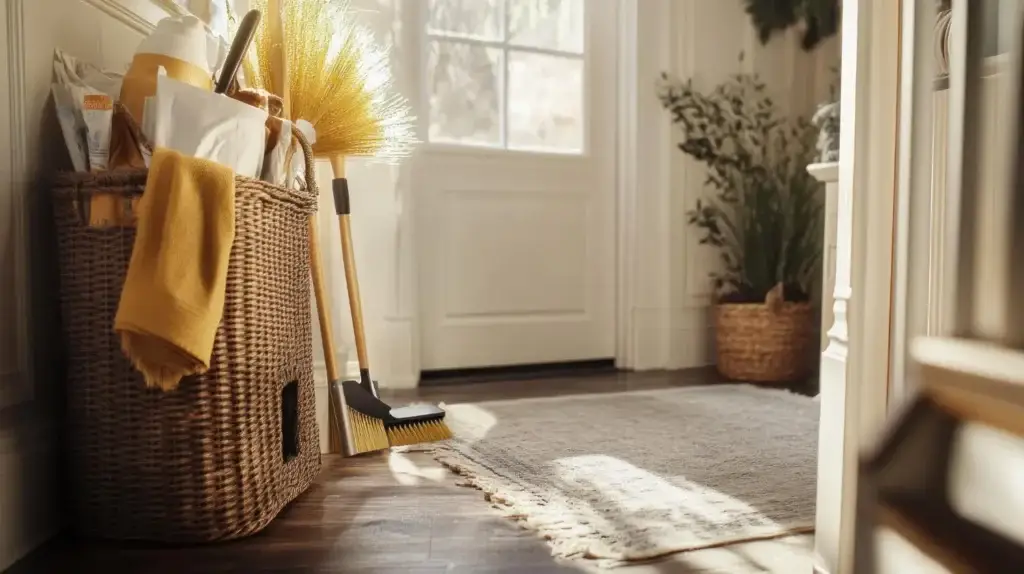
Every home has spaces that handle constant movement. These areas collect dirt faster, wear down sooner, and affect how clean the entire home feels. Shoes, pets, backpacks, groceries, and daily activity all pass through the same paths repeatedly. Because of this, building strong high-traffic area cleaning routines is one of the smartest ways to protect your home long term.
When these spaces are ignored, dirt spreads into other rooms, floors wear out faster, and air quality can decline. When they are maintained consistently, the entire home stays cleaner with less effort. Busy families, pet owners, and multi-level homes especially benefit from structured cleaning focused on movement zones.
Why High-Use Areas Affect the Whole Home
Dirt rarely stays in one place. Once it enters through entryways or hallways, it spreads through airflow, foot traffic, and daily movement. This is why targeted high-traffic area cleaning can dramatically reduce whole-home cleaning workload.
When high-use zones stay clean, they help prevent:
- Dirt spreading into bedrooms and living spaces
- Dust becoming airborne through walking movement
- Floor scratches from grit and sand particles
- Stains that become permanent over time
Protecting these zones protects the entire home environment.
Why Constant Foot Traffic Causes Faster Surface Wear
Dirt particles act like sandpaper under shoes. Over time, they slowly damage floor finishes, grout lines, and carpet fibers. Without regular cleaning, even high-quality flooring can wear prematurely.
Consistent high-traffic area cleaning helps remove debris before it damages surfaces. Preventive cleaning often costs less than repairing or replacing damaged flooring later.
Long-term floor protection benefits often include:
- Extended flooring lifespan
- Reduced scratch and scuff damage
- Lower long-term repair costs
- Improved home appearance
Identifying the Most Important High-Use Zones in a Home
Not every room experiences the same level of wear. Identifying movement paths helps prioritize cleaning efforts.
Common high-use areas often include:
- Entryways and mudrooms
- Hallways connecting main rooms
- Kitchen walking paths
- Living room walkways
- Staircases and landing areas
These zones usually require more frequent cleaning than low-use rooms.
Why Entryways Should Always Be Cleaned First
Entryways are the first barrier between outdoor dirt and indoor living space. If entryways stay clean, less dirt reaches the rest of the home.
Strong entry cleaning often includes:
- Vacuuming frequently during busy seasons
- Washing or replacing entry mats regularly
- Mopping hard floors consistently
- Cleaning shoe storage areas
Prioritizing entry maintenance supports strong high-traffic area cleaning results throughout the home.
Why Hallways Require Frequent Maintenance
Hallways collect dust and debris because they connect multiple rooms. Even if they look clean, dust builds along walls and baseboards.
Helpful hallway cleaning routines often include:
- Vacuuming carpet edges
- Dusting wall trim and baseboards
- Cleaning light switch plates
- Removing scuff marks
Hallway maintenance helps maintain overall home cleanliness.
How Flooring Type Affects Cleaning Strategy
Different flooring materials require different cleaning approaches. Using incorrect tools or chemicals can cause long-term damage.
Helpful floor protection cleaning habits often include:
- Using protective entry mats
- Cleaning spills immediately
- Avoiding harsh scrub brushes
- Using floor-safe cleaning products
Following manufacturer care guidelines supports strong high-traffic area cleaning routines.
Why Targeted Cleaning Works Better Than General Cleaning
General cleaning focuses on overall appearance. Targeted cleaning focuses on wear prevention and dirt control.
General cleaning often includes surface dusting and occasional floor cleaning.
High-traffic area cleaning focuses on frequent maintenance, dirt removal at entry points, and daily floor protection.
This targeted approach helps prevent faster wear.
Cleaning Systems That Work for Busy Families
Busy households need cleaning systems that are fast and repeatable. Long, complicated routines rarely last.
Helpful habits often include:
- Removing shoes indoors
- Vacuuming main walking paths frequently
- Wiping entry surfaces daily
- Cleaning pet entry zones often
Simple routines support long-term consistency.
Why Pets and Children Increase Dirt Transfer
Pets and children increase indoor dirt movement. Paw traffic, outdoor play, and daily activity spread debris faster.
Helpful cleaning habits often include:
- Frequent vacuuming of main paths
- Spot cleaning accidents immediately
- Washing rugs and mats regularly
- Cleaning pet feeding areas
Active homes benefit from stronger high-traffic area cleaning routines.
Why Move-In and Move-Out Cleaning Should Focus on High-Use Zones
Moving reveals hidden dirt in entry areas, stair edges, and hallway corners. Deep cleaning during transitions helps reset surfaces.
Important move transition cleaning often includes:
- Deep floor cleaning
- Baseboard detail cleaning
- Entry door frame cleaning
- Stair edge cleaning
This creates strong first impressions for new occupants.
Why Commercial Spaces Also Depend on Movement Zone Cleaning
Commercial and office spaces depend heavily on entry presentation and safety.
Commercial cleaning often focuses on:
- Entry floor cleanliness
- Slip prevention
- Employee comfort
- Professional appearance
These environments rely heavily on strong high-traffic area cleaning routines.
When Professional Cleaning Support Makes the Biggest Difference
Professional cleaning services help maintain high-use zones using commercial equipment and deep cleaning methods.
Professional services often help with:
- Carpet extraction cleaning
- Heavy dirt removal
- Seasonal deep cleaning
- Recurring maintenance cleaning
Professional support strengthens long-term results.
Why Seasonal Weather Increases Dirt Challenges
Weather changes increase indoor debris. Winter brings salt and moisture. Summer brings sand and pollen.
Seasonal cleaning preparation often includes:
- Increased entry mat use
- More frequent vacuuming during weather transitions
- Seasonal deep floor cleaning
Seasonal planning supports strong high-traffic area cleaning routines.
How Clean Walking Paths Improve Whole-Home Air Quality
Clean floors reduce airborne dust and particles. When walking paths are clean, less dust circulates through airflow.
This helps maintain healthier indoor environments and reduces dust settling on furniture and surfaces.
The Long-Term Value of Preventive Floor Maintenance
Preventive cleaning protects flooring investment and helps maintain home appearance.
Homes that maintain consistent high-traffic area cleaning often experience slower floor wear and lower maintenance costs.
Building Cleaning Habits That Last Long Term
Consistency always works better than occasional deep cleaning. Small daily habits create lasting results.
Helpful long-term cleaning habits often include:
- Cleaning entry areas regularly
- Monitoring high-use zones weekly
- Scheduling seasonal deep cleaning
Simple systems help maintain long-term cleanliness.
Why Clean Paths Make Homes Feel Cleaner Instantly
Clean walking paths create immediate visual improvement. Even if other rooms are not freshly cleaned, clean high-use areas improve overall home appearance.
This makes homes feel more comfortable and welcoming.
Creating Homes That Stay Clean With Less Effort
When movement zones stay clean, the rest of the home requires less maintenance. Dirt stays contained, surfaces stay protected, and cleaning becomes faster overall.
By maintaining strong high-traffic area cleaning routines, homeowners protect floors, improve air quality, and maintain long-term home value.
Clean paths support clean homes. When these zones stay maintained, homes stay fresher, safer, and easier to manage every day.