
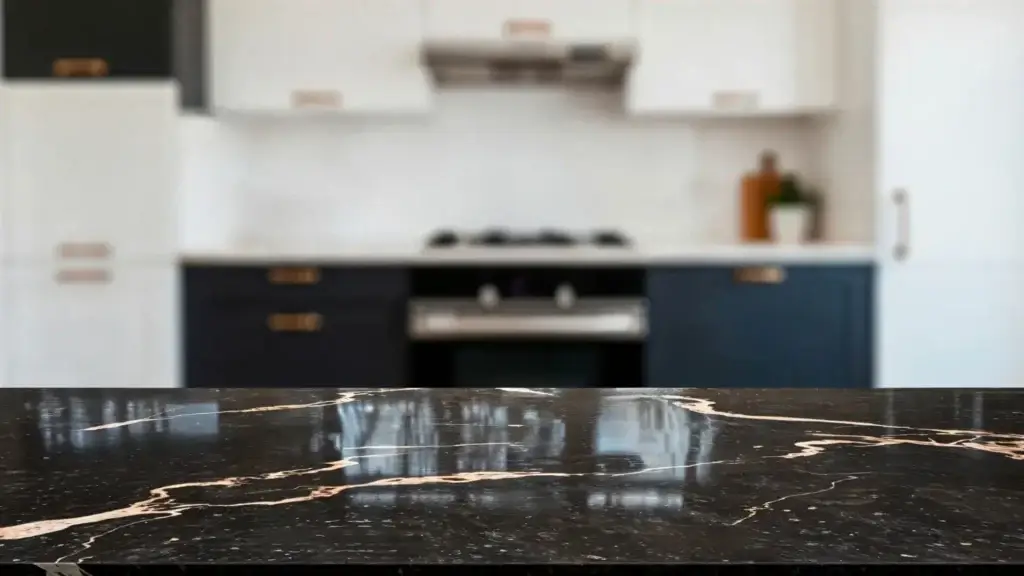
The most reliable approach to how to clean granite countertops starts with the right product and the right technique. Anyone who has struggled with how to clean granite countertops will find that consistency matters more than any single method. Professional cleaners recommend how to clean granite countertops practices that combine preparation, treatment, and prevention. Understanding how to clean granite countertops correctly saves both time and money compared to trial-and-error approaches. The first step in how to clean granite countertops is always assessing the severity and choosing an appropriate cleaning agent. This guide covers how to clean granite countertops from every angle. Each method for how to clean granite countertops is explained with the exact steps that deliver reliable results.
Granite countertops are one of the most valued features in a kitchen. They are durable, heat-resistant, and beautiful. But they are also more sensitive to cleaning products than most people realize.
Knowing how to clean granite countertops correctly protects the stone and its sealer, prevents staining, and keeps the surface looking polished for years. The wrong cleaners can permanently etch and dull granite in ways that are difficult or impossible to reverse.
Why granite requires special care
Granite is a natural stone with a crystalline structure. The surface is sealed after installation to fill the pores and prevent liquids from penetrating. That seal is what gives granite its stain resistance.
The problem is that many common household cleaners break down that seal over time:
- Acidic cleaners (vinegar, lemon juice, citrus-based products) etch the stone and degrade the sealer.
- Bleach and ammonia-based cleaners strip the sealer and can discolor the stone.
- Abrasive scrubbers scratch the polished surface.
- Dish soaps with harsh degreasers leave a film that dulls the finish.
Once the sealer is compromised, granite absorbs liquids and stains far more easily.
The Natural Stone Institute publishes industry care standards for granite and other natural stone surfaces, including recommended pH ranges for safe cleaning products.
What you need for safe granite countertop cleaning
You do not need expensive specialty products for daily cleaning. Here is what works:
- Warm water and a few drops of mild dish soap (without degreasers or antibacterials)
- Microfiber cloths
- A pH-neutral stone cleaner for regular deeper cleaning
- Granite sealer (applied every one to two years)
- Isopropyl alcohol (70%) for disinfecting
Avoid all of the following on granite:
- White vinegar or any vinegar-based spray
- Lemon juice or citrus cleaners
- Bleach
- Ammonia
- Hydrogen peroxide (on darker granite it may lighten over time)
- Multi-surface cleaners not specified safe for natural stone
6 tips to clean granite countertops without damage
Tip 1: Wipe spills immediately
Granite is porous even when sealed. Acidic liquids like coffee, wine, juice, and tomato sauce will penetrate the sealer and stain the stone if left to sit. The most important habit is wiping spills as soon as they happen.
Use a clean cloth or paper towel. Blot rather than wipe to avoid spreading the spill across a larger area.
Tip 2: Daily cleaning with soap and warm water
For everyday cleaning, a small amount of mild dish soap mixed with warm water is sufficient.
Apply the solution with a microfiber cloth, wipe the surface, then rinse with a clean damp cloth to remove all soap residue. Dry with a separate clean cloth.
Soap residue left on granite dulls the surface over time. Rinsing and drying after each cleaning keeps the countertop looking polished.
Tip 3: Use a pH-neutral stone cleaner for regular deep cleaning
Once or twice a week, replace the soap and water routine with a pH-neutral granite or stone cleaner. These products are formulated to clean effectively without affecting the sealer or the stone chemistry.
Spray on, wipe with a microfiber cloth, and buff dry. This is the best maintenance routine for natural stone countertop care.
Tip 4: Disinfect with isopropyl alcohol
For disinfecting cutting areas and food prep surfaces, isopropyl alcohol (70%) mixed with water in a spray bottle is safe for granite. It evaporates quickly without leaving residue and does not affect the sealer.
Apply, leave for a minute, and wipe clean. This is a far safer disinfecting option than bleach or antibacterial sprays, which damage granite over time.
Tip 5: Remove stains with a poultice
For a stain that has penetrated the sealer, a poultice draws the stain back out of the stone.
A poultice is a mixture of an absorbent material and a cleaning agent:
- For oil-based stains (grease, cooking oil): mix baking soda with a small amount of dish soap into a thick paste.
- For water-based stains (coffee, wine, juice): mix baking soda with hydrogen peroxide for light-colored granite. Test on a hidden area first.
Apply the paste thickly over the stain, cover with plastic wrap, and tape the edges down. Leave for 24 to 48 hours. Remove the plastic, let the poultice dry completely, and then gently scrape it away with a plastic tool. Wipe clean and re-seal the area if needed.
For marble countertop and limestone care, the same approach applies, with even stricter avoidance of any acid-based products.
Tip 6: Re-seal granite every one to two years
Even with careful cleaning, the sealer breaks down over time. A simple water test tells you when re-sealing is needed: pour a tablespoon of water on the surface. If it beads up, the sealer is intact. If it absorbs within a few minutes, the countertop needs to be re-sealed.
Granite sealer is available at hardware stores and is easy to apply. Clean the surface thoroughly, allow it to dry, apply the sealer according to product instructions, and buff away excess. Re-sealing protects everything you have done to maintain the stone.
How to clean stone countertops that have been damaged
If your granite has been etched by acidic cleaners, the affected area may look dull or scratched. Mild etching can sometimes be improved with a granite polishing powder worked in with a soft cloth. Severe etching may require professional stone polishing or resurfacing.
If your countertop was sealed with a product incompatible with what was applied before, stripping and re-sealing may be the correct approach. A stone care professional can advise on the right course of action.
How to clean granite countertops that have lost their shine
A dull granite surface is usually the result of sealer degradation, soap film buildup, or etching from acidic products. Each requires a different fix.
Soap film buildup: This happens when rinsing is not thorough. The fix is a thorough cleaning with a pH-neutral stone cleaner, rinsed with clean water and buffed dry. Repeated consistently, this restores the natural reflectivity of the stone.
Etching: If the dullness is in the form of dull spots or light scratches from acid contact, a granite polishing powder applied with a soft cloth can repair mild etching. Work it in with circular motions, then wipe away. For deeper etching, a professional stone restoration service is the appropriate approach.
Sealer degradation: If the sealer has worn away, the surface loses its reflective sheen and begins absorbing liquids. Re-sealing after a thorough clean restores the original appearance.
Knowing how to clean granite countertops that have lost their shine requires identifying the cause before choosing the remedy.
Granite countertop care in a busy kitchen
In a family kitchen used daily, granite maintenance becomes a rhythm rather than a task. Keep a spray bottle of pH-neutral stone cleaner on the counter. After each cooking session, a two-minute wipe-down prevents any buildup from accumulating.
Keep a dry microfiber cloth nearby for immediate drying. Any liquid left to air-dry on granite leaves a residue mark over time, especially around faucets and prep areas.
Wipe spills the moment they happen. Set a reminder to re-seal the countertop every year. These three habits, combined with the tips in this guide, are all you need to keep granite looking like new for decades.
Granite countertop care and kitchen cleaning
Taking care of your granite is part of a well-maintained kitchen. For help keeping your appliances, stovetop, and kitchen surfaces in top condition, our post on how to clean a glass stovetop covers another kitchen surface that requires specific care.
At Asubra Cleaning Services, our deep cleaning service includes thorough kitchen cleaning that respects your surfaces. Our team is trained to identify and use appropriate products for different materials throughout your home.
We serve Weymouth, Hingham, Quincy, Plymouth, and 20+ towns across Massachusetts’ South Shore. Contact us for a fast quote.
Frequently asked questions about how to clean granite countertops
How to clean granite countertops daily without damaging the seal? Use warm water and a few drops of mild dish soap. Wipe with a microfiber cloth, rinse with a clean damp cloth, and dry immediately. This is all that is needed for daily care. The key to how to clean granite countertops safely every day is avoiding anything acidic and always drying the surface after cleaning.
How to clean granite countertops that have been damaged by vinegar? Vinegar etching appears as dull spots or light scratches in the granite surface. For mild etching, a granite polishing powder buffed in with a soft cloth may improve the appearance. For significant damage, a professional stone restoration service is needed. How to clean granite countertops after acid exposure cannot reverse the etching, but it can prevent further damage.
How to clean granite countertops near the sink where water pools? The area around the sink is the most vulnerable to both mineral buildup and sealer degradation. Dry this area thoroughly after every use. Re-seal the granite around the sink every year, even if the rest of the countertop does not need it. For existing mineral deposits, use a granite-safe mineral deposit remover, not vinegar. This targeted approach to how to clean granite countertops near water sources protects the most vulnerable zone.
Can you use dish soap every day on granite? Yes, if it is a mild dish soap without degreasers, enzymes, or antibacterial additives. Harsh dish soaps degrade the sealer over time with repeated use. When learning how to clean granite countertops correctly, mild soap and rinsing completely afterward is the foundation of the daily routine.
How to clean granite countertops: the core habits
How to clean granite countertops daily: mild soap, warm water, rinse fully, dry completely. How to clean granite countertops that have stains: poultice method with baking soda and dish soap for oil stains. How to clean granite countertops that have lost their shine: pH-neutral stone cleaner and re-sealing. How to clean granite countertops near the sink: dry immediately after every use and re-seal annually.
The entire approach to how to clean granite countertops comes down to protecting the sealer. Keep acids off it, keep moisture off it, rinse every cleaner completely, and condition the stone with fresh sealer every one to two years.
Knowing how to clean granite countertops correctly is mainly knowing what to avoid. How to clean granite countertops without vinegar: use pH-neutral stone cleaner or mild dish soap. How to clean granite countertops that are stained: apply a poultice and wait 24 to 48 hours. How to clean granite countertops near the sink: dry immediately after every use. How to clean granite countertops to maintain their seal: rinse every cleaning product completely and re-seal annually.
The right care keeps granite beautiful for decades
Knowing how to clean granite countertops is mostly about knowing what to avoid. Skip the vinegar. Skip the bleach. Use mild soap, rinse and dry after every clean, and re-seal annually. Those habits protect the investment you made when you chose natural stone for your kitchen.
When your whole kitchen needs a deep refresh, our team is here to help.