
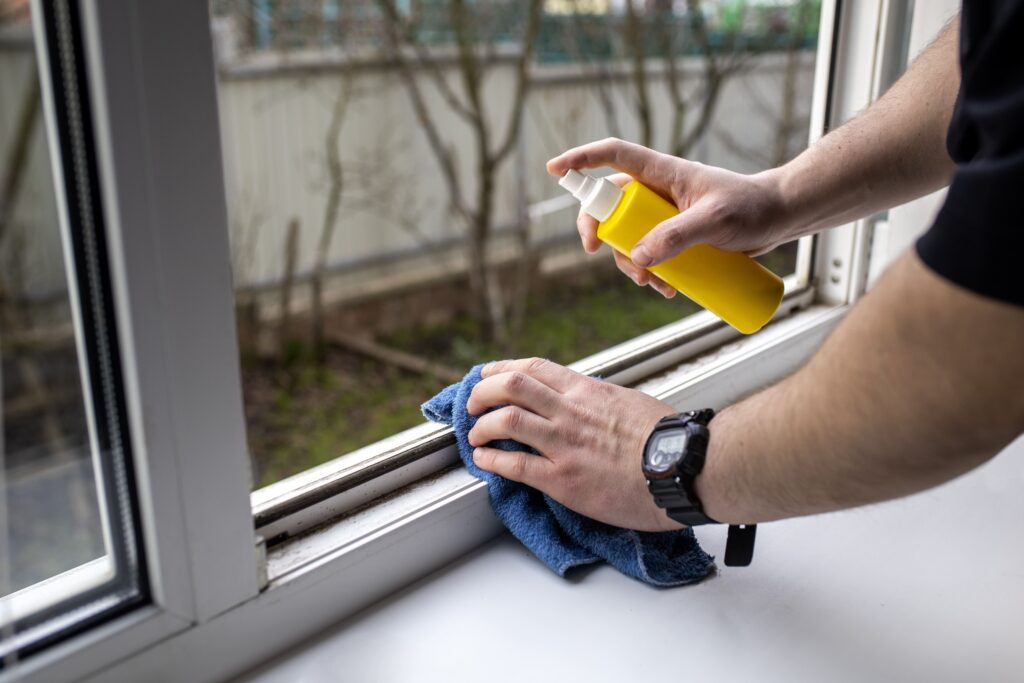
During the spring and summer months, leaving your windows open lets in a wonderful breeze, but it also invites a steady stream of outdoor debris. Window tracks and sills quickly accumulate a mix of windblown dust, pollen, dead insects, spider webs, and outdoor grit. When combined with seasonal humidity and morning window condensation, this loose debris transforms into a stubborn, sticky sludge.
As temperatures drop and you prepare to button up your house for the colder months, tackling your windows is a vital step. Cleaning out your tracks and sills ensures smooth window operation, eliminates trapped allergens, and gives your home a crisp, polished look just in time for indoor living season.
Why Window Tracks Get So Dirty
Outdoor debris enters through screens, open windows, and small gaps.
Even with screens in place, microscopic dust particles, pollen, and airborne dirt breeze right through, settling directly into the narrow horizontal grooves of your window tracks every single day.
Condensation can turn dust into sticky grime.
Temperature fluctuations create moisture along glass panes and metal or vinyl frames. This moisture drips down into the tracks, binding dry dust into a paste-like film that hardens over time.
Why coastal and humid areas may need more frequent window detail cleaning.
Homes located near coastal waters or heavy tree canopies face unique environmental challenges. Salt spray, coastal moisture, and heavy organic debris create an even stickier buildup, making seasonal maintenance essential.
Tools You Need
Vacuum crevice attachment.
A narrow vacuum nozzle is your best friend for sucking up dry dirt and dead bugs before you introduce any moisture.
Microfiber cloths.
Soft, non-abrasive cloths lift grime effectively without scratching window frames or glass.
Soft brush or old toothbrush.
An old toothbrush or a soft-bristled cleaning brush is perfect for agitating dirt out of tight corners and track channels.
Mild cleaning solution safe for the window material.
A simple mixture of warm water and a few drops of mild dish soap, or a diluted white vinegar solution, works wonders on most surfaces.
What to avoid on painted wood, vinyl, and delicate finishes.
Avoid using harsh chemical bleach, abrasive scouring pads, or excessive standing water, which can strip painted wood finishes, warp vinyl, or corrode metal tracks.
Step-by-Step Window Track Cleaning Method
Vacuum loose dust and debris first.
Always start with a dry surface. Use your vacuum’s crevice tool to suck out all loose dirt, crumbs, and dead insects from the tracks before adding water.
Loosen stuck grime with a soft brush.
Apply a small amount of your cleaning solution to your brush or toothbrush and gently scrub along the corners and tracks to loosen baked-on grime.
Wipe tracks and sills with minimal moisture.
Use a damp microfiber cloth to wipe away the loosened sludge, rinsing your cloth frequently as you work.
Dry corners thoroughly.
Finish by wiping every track and sill completely dry with a clean cloth to prevent moisture pooling and discourage new dust from clinging instantly.
How to handle stubborn buildup without scratching surfaces.
For stubborn, hardened mineral deposits or caked-on dirt, let your cleaning solution sit for a few minutes to soften the debris before gently scraping it away with a plastic scraper or wooden cotton swab.
Mini checklist for interior windows during seasonal cleaning.
- [ ] Vacuum out loose dust and debris from tracks
- [ ] Scrub corners and crevices with a soft brush
- [ ] Wipe down sills and tracks with a damp microfiber cloth
- [ ] Buff dry to prevent water spots and residue
- [ ] Check that your fall cleaning checklist items are up to date
Note: Include interior window cleaning as an add-on when appropriate.
While regular maintenance keeps surface glass and tracks tidy, pairing window detailing with comprehensive housekeeping routines ensures every hidden nook is accounted for.
How Often Should Window Tracks Be Cleaned?
Seasonal cleaning schedule for most homes.
For most households, cleaning your window tracks thoroughly twice a year—once in the spring and once in the fall—is enough to prevent severe buildup.
More frequent cleaning for homes near trees, beaches, pets, or open-window habits.
If you live in a dusty rural area, near the coast, have shedding pets, or keep your windows open almost year-round, you may want to wipe down your tracks every couple of months.
When Professional Cleaning Helps
Detail-oriented tasks like scrubbing narrow window tracks, wiping baseboards, and dusting hard-to-reach corners are easy to put off. Utilizing a comprehensive Deep Cleaning service ensures these neglected areas receive the meticulous attention they deserve, working alongside your regular dust control posts to keep your home immaculate.
FAQ
What is the easiest way to clean window tracks?
The easiest method is to vacuum up dry debris first using a crevice tool, spray a mild soap solution to loosen remaining grime, scrub with an old toothbrush, and wipe everything clean with a damp microfiber cloth.
Can I use vinegar on window tracks?
Yes, a 50/50 mixture of warm water and white vinegar is safe and effective for cleaning most aluminum, vinyl, and glass window tracks. Avoid using pure vinegar on unsealed natural stone sills.
How often should window sills be cleaned?
Window sills should be wiped down monthly to prevent dust buildup, with a deeper track cleaning performed seasonally (spring and fall).