
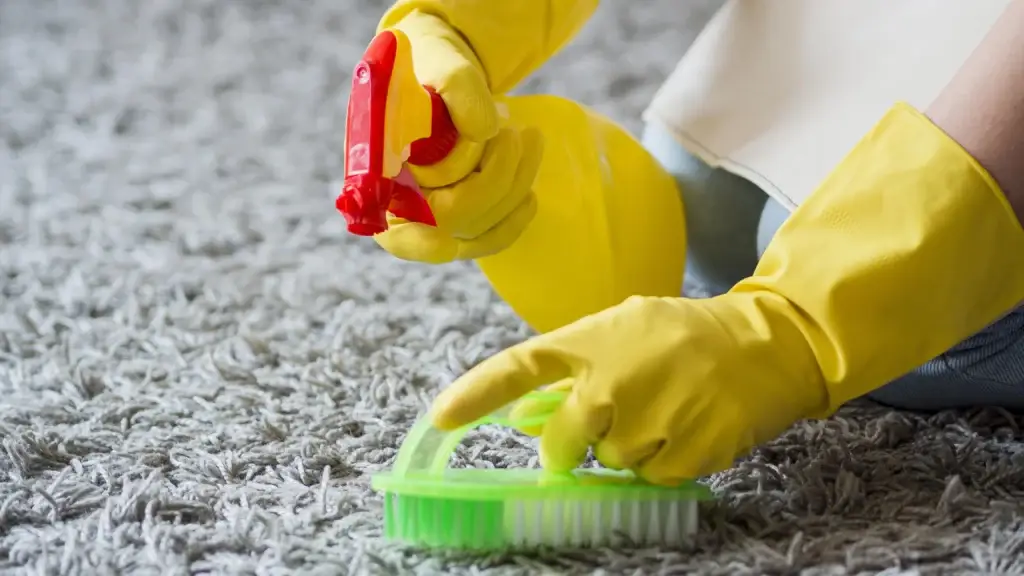
Area rugs collect more soil than most people estimate. Because they sit on the floor in high-traffic areas, they accumulate dirt, dust mite colonies, pet dander, and spilled residue from years of daily use. Unlike wall-to-wall carpet, area rugs can be lifted and cleaned more thoroughly, which is a practical advantage for home hygiene when you use the right techniques. This is a key principle of effective area rug cleaning.
Area rug cleaning done improperly, however, causes damage: shrinkage from hot water, color bleeding from aggressive scrubbing, backing deterioration from soaking, and mildew from incomplete drying. This guide covers the full process so that the rug comes out clean, dry, and undamaged.
Why area rug cleaning matters
Before any wet cleaning, locate the care label, typically found stitched to the backing or the edge of the rug. The label specifies safe cleaning methods and materials. Natural fiber rugs like wool, silk, and jute have much lower tolerance for moisture and agitation than synthetic materials. The Carpet and Rug Institute publishes fiber-specific care guidance that aligns with the material-based approach in this guide like nylon, polypropylene, or polyester. This is a key principle of effective area rug cleaning.
After reading the label, test for color fastness: apply a small amount of your intended cleaning solution to an inconspicuous corner, press a white cloth against the wet area, and hold for 30 seconds. If color transfers to the cloth, the dyes are not stable and wet cleaning will cause visible damage. Rugs that fail this test should be taken to a professional area rug cleaning service.
What you need (area rug cleaning)
- Vacuum
- Garden hose or access to a bathtub for smaller rugs
- Mild dish soap or wool-safe detergent
- Soft-bristle brush
- Bucket
- Clean towels or squeegee
- A flat, clean drying surface with good airflow
Tip 1: Vacuum both sides before any moisture is applied (area rug cleaning)
Vacuum the underside of the rug first. The backing surface traps a surprising amount of fine debris that is not visible from the top. Flip the rug and vacuum the top surface thoroughly, going with the pile direction first, then against it to reach debris embedded deeper in the fibers. This is a key principle of effective area rug cleaning.
This step removes the loose debris that would otherwise become mud when wet and be pushed further into the rug during cleaning. How to clean a rug effectively always begins with dry removal of what can be removed dry. This is a key principle of effective area rug cleaning.
Tip 2: Take the rug outside for the wash if possible (area rug cleaning)
Cleaning an area rug indoors on hard flooring leaves moisture with nowhere to go and risks waterlogging the floor beneath. Taking the rug outside and laying it on a clean concrete or deck surface gives you space to work and allows drainage. This is a key principle of effective area rug cleaning.
For smaller rugs, a bathtub works well. Lay the rug flat in the tub rather than bunching it. This is a key principle of effective area rug cleaning.
Tip 3: Use cool or lukewarm water and a gentle solution (area rug cleaning)
Mix a small amount of mild dish soap or a detergent formulated for the rug’s fiber type (wool-safe detergent for wool and natural fibers) into a bucket of cool to lukewarm water. Hot water causes shrinkage and color bleeding in most natural fiber rugs and in many synthetic rugs with unstabilized dyes. This is a key principle of effective area rug cleaning.
Apply the solution to the rug surface with a sponge or soft brush. Work in sections rather than soaking the entire rug at once, which makes the cleaning more controlled and the drying faster. This is a key principle of effective area rug cleaning.
Tip 4: Scrub gently in the direction of the pile (area rug cleaning)
Use a soft-bristle brush to work the cleaning solution into the rug fibers with strokes that follow the direction of the pile. For related upholstered surface cleaning, our guide on how to clean a fabric couch covers the same blot-not-rub principle on a different fabric substrate. Scrubbing against the pile aggressively can break fibers, especially in wool and silk rugs.
For rug stain removal, apply the cleaning solution directly to the stained area and allow it to sit for 5 minutes before scrubbing. Stains that have been set for more than 24 hours require more contact time but do not require more aggressive scrubbing. Patience is more effective than force.
Tip 5: Rinse until the water runs completely clear (area rug cleaning)
Incomplete rinsing is one of the most common mistakes in area rug cleaning. Soap residue left in the fibers dries as an invisible film that attracts soil much faster than a clean rug would. The result is a rug that appears to need cleaning again within weeks of being washed.
Rinse with clean water repeatedly until the runoff shows no suds and runs clear. Use a garden hose on a gentle setting or pour clean water from a bucket. If the rinse water is still showing color, continue rinsing before proceeding to drying.
Use a squeegee or clean towels to push excess water out of the fibers before laying the rug flat to dry. Removing as much water as possible before the drying stage significantly shortens drying time.
Tip 6: Dry flat with good airflow on both sides (area rug cleaning)
Hanging a wet area rug from a fence or railing is the most common drying mistake. The weight of water-saturated fibers stretches and distorts the rug’s shape, and the stress on the warp and weft can be permanent in woven rugs.
Dry flat on a clean surface with airflow reaching both sides. In warm, dry weather, a clean concrete or deck surface works well. In humid or cold conditions, lay the rug on a clean tarp indoors with fans running. After one side has dried fully, flip the rug to dry the backing completely.
Never replace the rug on the floor until both sides are completely dry. A damp backing against flooring traps moisture and causes mold growth in the rug and potential damage to wood or laminate floors beneath it.
Tip 7: Address spills and stains immediately (area rug cleaning)
The most effective clean area rug habit is treating spills before they dry. Fresh liquid spills should be blotted immediately with a clean cloth: press firmly and lift straight up rather than rubbing, which spreads the stain and drives it deeper into the pile.
After blotting, apply a small amount of cleaning solution to the area, blot again, and allow to dry. Treating a fresh spill takes five minutes. Treating the same stain after it has dried can take several rounds of application and still leave a visible mark.
When should an area rug be professionally cleaned? (area rug cleaning)
Rugs that are antique, made of silk, have unstabilized natural dyes, or are very large are best handled by professional area rug cleaning services with the equipment to wash, rinse, and dry them under controlled conditions. Professional cleaning is also appropriate for rugs with persistent odor that does not respond to home treatment, or for any rug that has been water-damaged.
For most modern synthetic or standard wool rugs, home cleaning produces good results when the process above is followed carefully. Rug cleaning fits naturally into the monthly rotation of our house cleaning schedule, specifically the monthly round that covers upholstered surfaces and soft furnishings.
Frequently asked questions (area rug cleaning)
Can I put an area rug in the washing machine? Area rug cleaning advice here: Small, flat-weave rugs in synthetic materials may be machine washable. Check the care label. Most rugs larger than about 4 by 6 feet should not go in a standard washing machine because the weight exceeds the machine’s capacity when wet, risking damage to both the rug and the appliance. Rugs with rubber or latex backing should never be machine washed, as agitation cracks the backing.
How do I remove pet urine odor from an area rug? Area rug cleaning advice here: Blot up as much liquid as possible immediately. Apply an enzyme-based cleaner to the area and allow the contact time specified on the product label. Enzyme cleaners break down uric acid compounds that produce odor. White vinegar and baking soda reduce the smell but do not fully eliminate the organic compounds responsible for persistent pet odor.
How do I clean a wool area rug without damaging it? Area rug cleaning advice here: Cool water, a wool-safe detergent, and a soft brush are the correct tools. Avoid hot water, high alkalinity detergents, and aggressive scrubbing. Wool fibers are protein-based and felt (mat together irreversibly) when subjected to heat, agitation, and alkaline conditions simultaneously.
How long does it take for an area rug to dry after washing? Area rug cleaning advice here: Drying time depends on the rug’s thickness, fiber type, ambient temperature, and airflow. A thin synthetic rug can dry in two to four hours in warm conditions. A thick wool rug may take 12 to 24 hours. Do not rush this by applying heat, which can shrink or damage most rug materials.
What is the best method for rug stain removal? Area rug cleaning advice here: Act immediately, blot rather than rub, and use the cleaning agent appropriate for the stain type: cold water for protein stains (blood, egg), dish soap solution for food and beverage stains, and enzyme cleaner for biological stains (urine, vomit). For stains that have already dried, dampen, allow to soften, then blot and apply cleaner.
If your rugs carry years of embedded dirt, pet dander, or odors that home washing cannot fully lift, Asubra’s deep cleaning service covers floors, upholstery, and every surface that accumulates over time. Get your free South Shore quote today and come home to rugs that are genuinely clean.