
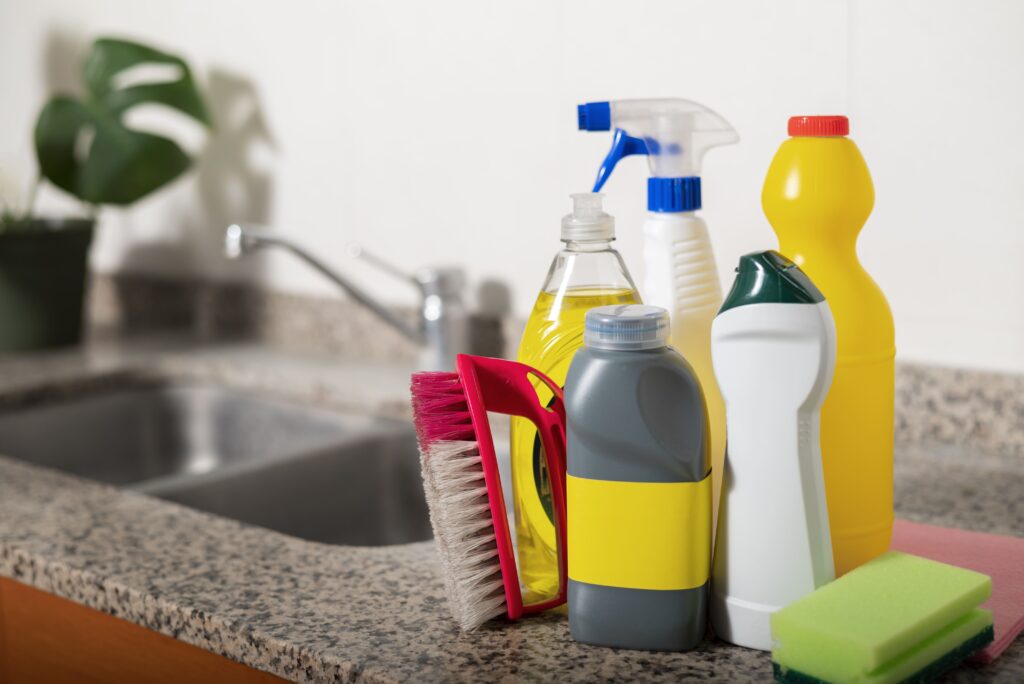
The modern cleaning aisle is overwhelming. With hundreds of sprays, wipes, and concentrates, it’s tempting to grab one “all-purpose” bottle and hope for the best. However, using the wrong chemical on a high-value surface is the fastest way to ruin your home’s finish. At Asubra Cleaning, we know that professional cleaning isn’t just about hard work—it’s about chemistry.
Quick Answer: The Surface-First Rule
To choose the right product, you must consider the material, the finish, and the soil type. A pH-neutral cleaner is the safest starting point for most surfaces. Always check the manufacturer’s care guide for the item you are cleaning, look for surface compatibility on the label, and when in doubt, test a small, hidden area first.
Why Surface Type Matters
Not all surfaces are created equal. Your cleaning choice depends on the material’s physical properties:
- Porous Surfaces: Materials like wood, unsealed stone, and grout absorb liquid. If you use a harsh cleaner, it sinks deep into the material, potentially causing permanent staining or structural breakdown.
- Nonporous Surfaces: Materials like glass, stainless steel, and glazed tile keep cleaners on the surface. These are easier to clean but can be easily scratched or etched by abrasive products.
- Delicate Finishes: Surfaces like marble, antique wood, or high-gloss paint are sensitive to the pH levels in cleaners. Using an acidic cleaner on stone is a common homeowner mistake that leads to permanent “etching” (dull spots).
Product Guide by Surface
| Surface | Recommended Cleaner | What to Avoid |
| Wood | pH-neutral wood soap/oil | Excessive water, bleach, ammonia |
| Natural Stone | pH-neutral stone soap | Vinegar, lemon, harsh acids |
| Tile & Grout | pH-neutral tile cleaner | Abrasive steel wool, high-acid cleaners |
| Glass | Alcohol or vinegar-based glass cleaner | Abrasive pads, oil-based soaps |
| Stainless Steel | Mild soap/water or dedicated polish | Bleach, abrasive scrubbers |
| Upholstery | Fabric-specific cleaner (check code) | Soaking, harsh solvents |
How to Read Product Labels Like a Pro
Don’t ignore the fine print. Labels are designed to protect your investment:
- Surface Compatibility: Does it explicitly list your material (e.g., “Safe for Marble”)? If it doesn’t, don’t use it.
- Contact Time: This is the amount of time the product must stay wet on the surface to actually work. If you wipe it off too soon, you’re just wasting product.
- Dilution Instructions: Concentrates are powerful. Adding too much to your bucket can leave behind a sticky, film-like residue that actually attracts more dirt.
- Warnings & Ventilation: If a product requires you to wear gloves or open windows, it’s a strong signal that you should use it sparingly and only in well-ventilated areas.
Products to Use With Extreme Caution
Some common household cleaning staples are frequently misused:
- Bleach: An excellent disinfectant, but it can permanently discolor fabrics and corrode metal hinges or fixtures.
- Vinegar: A great natural cleaner for glass and ceramic, but its acidity makes it a “no-go” for natural stone, wood, and metal surfaces.
- Abrasive Cleaners: Powders and scouring pads can remove the protective clear coat on surfaces like laminate, making them look dull over time.
- Ammonia: Very effective for windows but can be damaging to brass and certain types of plastics.
Frequently Asked Questions
- What cleaner is safe for most surfaces?
A high-quality, pH-neutral cleaner is the “Swiss Army Knife” of the cleaning world. It is safe for almost all sealed surfaces and won’t strip finishes or etch stone. - Can one product clean everything?
No. While many brands market “all-purpose” cleaners, no single product can safely clean wood, glass, and natural stone simultaneously without potentially causing long-term damage to at least one of them. - What surfaces should not be cleaned with vinegar?
Never use vinegar on natural stone (marble, granite, limestone) or unsealed wood. The acid will dissolve the minerals in the stone and strip the natural oils from the wood.
Need expert care for your home’s surfaces?
Choosing the right product is only half the battle; the other half is knowing how to use it without damaging the surface. At Asubra Cleaning, our team is trained to identify every material in your home and apply the precise product and technique required to clean it safely. Let us handle the chemistry so you don’t have to risk your home’s finishes.
Click here to schedule a professional cleaning consultation with Asubra Cleaning!