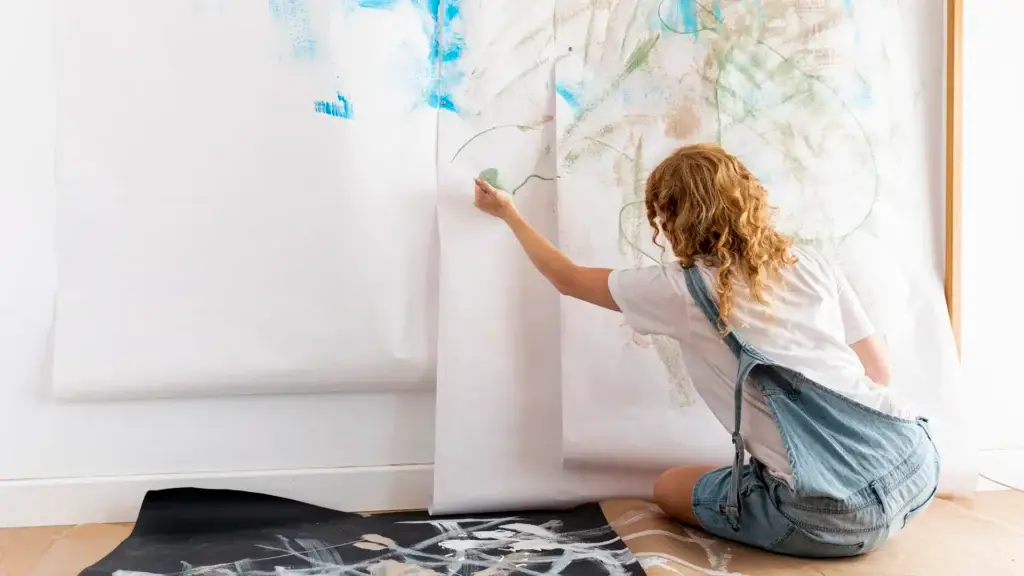
Crayon marks on a wall usually show up the same way every time: a quiet kid, a closed door, and a brand-new mural nobody asked for. Knowing how to get crayon off wall surfaces without stripping the paint underneath is the difference between a five-minute fix and a weekend repainting project.
The good news is that crayon, while stubborn, responds well to a few gentle methods most households already have on hand. The trick is starting soft and only escalating if the gentle approach doesn’t work.
Quick answer
To remove crayon from a wall, gently warm the wax with a hairdryer on low heat so it softens, then wipe it away with a soft cloth before it cools. For any leftover residue, use a damp cloth with a little dish soap, or a small amount of baking soda paste for tougher marks. Always test your method on a hidden spot first, since some paints react differently than others.
Why crayon sticks to walls in the first place
Crayons are made mostly of wax and pigment, which is exactly why they glide so easily across paper and, less conveniently, across painted drywall. The American Cleaning Institute notes that pen, marker, and crayon stains respond best to nonabrasive, all-purpose cleaners applied gently in a circular motion, working from the bottom of the wall upward so drips don’t streak clean areas.
That wax bonds more tightly to flatter paint finishes, which have a more porous surface than semi-gloss or satin. This is why the same crayon mark can come off a kitchen wall in seconds but leave a stubborn shadow on a flat-painted bedroom wall.
Professional cleaning teams who handle homes with young children see crayon marks often enough to know the pattern: the longer a mark sits, especially in a warm room, the more the wax settles into the texture of the paint, which is why quick action matters more than the specific product you use.
How to get crayon off wall surfaces step by step
Here’s the order professionals follow, starting with the gentlest option and only moving to the next step if needed.
- Test an inconspicuous spot first. Dab your chosen method on a small, hidden area of the wall to confirm the paint can handle it.
- Warm the wax with a hairdryer. Set it to low or medium heat, hold it several inches from the wall, and move it slowly over the mark for 20 to 30 seconds.
- Wipe while the wax is still soft. Use a clean microfiber cloth to lift the crayon as it softens, rather than letting it cool and reharden.
- Treat any leftover residue with mild soap. Mix a few drops of dish soap with warm water and gently dab the remaining mark with a soft cloth.
- Use baking soda paste for stubborn spots. Mix baking soda with a small amount of water to form a paste, apply it with a soft cloth, and rub gently in a circular motion.
- Rinse and dry the area. Wipe with a clean, damp cloth to remove any soap or baking soda residue, then dry with a towel.
For washable crayons, soap and water alone is often enough, and you can usually skip straight to step four.
A weekly habit worth building
Because crayon marks tend to appear without warning, it helps to do a quick visual check of frequently used walls, like hallways and playroom entrances, once a week. Catching a fresh mark early means it lifts away in a minute or two, while a mark that’s had weeks to settle into the texture of the paint can take several rounds of cleaning and still leave a faint shadow behind.
What you need before you start
Most of these supplies are already in a typical household:
- A hairdryer
- Soft microfiber cloths
- Mild dish soap
- Baking soda
- A soft-bristle brush for stubborn spots, if needed
Avoid reaching for anything abrasive, like scouring pads or steel wool, since these can dull or scratch the paint finish before the crayon is even fully gone.
Cleaning crayon differs slightly by paint finish
Not every painted wall responds the same way, so it helps to know what you’re working with before you start scrubbing.
- Flat or matte paint is the most porous and the most likely to show a faint shadow after cleaning. Stick to the gentlest methods and avoid heavy scrubbing.
- Eggshell and satin finishes hold up a bit better and tolerate a light baking soda paste without much risk.
- Semi-gloss and gloss paint, common in kitchens and bathrooms, are the easiest to clean and can usually handle a slightly firmer wipe.
- Wallpaper needs extra caution. Test in a hidden spot first, since moisture and rubbing can lift the paper or dull printed patterns.
If you’re renting or preparing to move
Crayon marks on walls are one of the more common issues landlords flag during a move-out inspection, since flat-painted rental walls are especially prone to showing wax residue. If you’re trying to get crayon off a wall before a final walkthrough, give yourself extra time. Rushed scrubbing under deadline pressure is exactly when paint damage tends to happen, and a damaged wall is harder to explain than a faint, well-cleaned shadow.
If a full clean before move-out feels like more than you have time for between packing boxes, that’s exactly the kind of detail covered by a thorough move in/out cleaning service, rather than something to squeeze in at the last minute.
Common mistakes when removing crayon from walls
- Scrubbing immediately instead of warming the wax first. This grinds the crayon deeper into the texture of the paint rather than lifting it.
- Using rubbing alcohol on flat paint without testing first. Alcohol works well on some surfaces but can strip the sheen off others.
- Skipping the hidden-spot test. Different paint brands and finishes react differently, and skipping this step is the most common cause of a small mark turning into a bigger problem.
- Pressing too hard with a Magic Eraser. These sponges contain a mild abrasive, and excessive pressure can wear through the paint, especially on flat finishes.
- Letting the mark sit for weeks before addressing it. Fresh crayon comes off far more easily than wax that’s had time to settle into the wall’s texture.
Signs your cleaning method is too harsh
If you notice any of the following while cleaning, stop and switch to a gentler approach:
- A duller or shinier patch where the wall used to look uniform
- Paint color transferring onto your cleaning cloth
- A rough or stripped texture under your fingers
- Visible streaking that wasn’t there before you started
Catching these signs early usually means switching products, not repainting the whole wall.
Preventing the next mural
Since crayon marks tend to repeat themselves in households with young kids, a little prevention goes a long way:
- Set up a dedicated art space with paper and a washable surface for drawing
- Switch to washable crayons, which clean up with soap and water far more easily
- Store crayons in a container that isn’t easy for little hands to reach unsupervised
- Touch up paint in high-traffic areas with semi-gloss for easier future cleanups
None of these guarantee an art-free wall forever, but together they make the next mark far easier to handle when it inevitably shows up.
A real scenario worth knowing
Cleaning teams who work in homes with toddlers often see the same scenario repeat: a parent scrubs hard with a wet cloth right away, only to find the mark looks worse, smeared rather than removed. The fix in almost every case is to back off the pressure, warm the wax first, and let the gentler method do the work instead of brute force.
This pattern shows up often enough that it’s worth remembering the order of operations matters more than the specific product. Heat loosens the wax, soap lifts the leftover residue, and a baking soda paste handles anything that’s left, in that order, rather than reaching for the strongest cleaner first and working backward.
Why patience beats strong chemicals
It’s tempting to reach for a heavy-duty cleaner the moment crayon shows up on a wall, especially in a high-traffic hallway. However, strong solvents and degreasers formulated for grease or grime aren’t designed with painted surfaces in mind, and they can strip sheen or leave a dull patch that’s more noticeable than the original mark.
Learning how to get crayon off wall surfaces without that kind of damage really comes down to working through the gentlest options first and only escalating when genuinely necessary. In most households, the hairdryer and soap method handles the job on its own, with baking soda paste reserved for older or more stubborn marks.
FAQ
Does toothpaste remove crayon from walls? Non-gel white toothpaste can work as a mild abrasive on some painted surfaces, similar to a light baking soda paste, but always test a hidden spot first since it can dull certain finishes.
Will rubbing alcohol damage my paint? It can, especially on flat or matte finishes. Rubbing alcohol works well for permanent marker on some surfaces, but for crayon, it’s usually safer to start with heat and mild soap first.
Can I use a Magic Eraser on painted walls? Yes, with light pressure. Magic erasers contain a mild abrasive that can dull paint sheen if you scrub too hard or repeat the same spot too many times.
What if the crayon mark won’t come off completely? A faint shadow can sometimes remain on flat paint even after a thorough clean. At that point, a small touch-up with matching paint is usually faster than continued scrubbing.
Does the color of the crayon matter? Darker pigments, like reds and blues, can leave a faint tint behind even after the wax itself is gone, especially on lighter paint. A longer soak with the baking soda paste usually helps fade what’s left.
Keep the rest of the house just as fresh
Crayon marks are usually a one-room, one-afternoon problem, but the rest of the house benefits from the same kind of attention on a regular basis. Knowing how to get crayon off wall surfaces is a useful skill on its own, but it’s really just one piece of keeping a home with kids looking cared for. A deep cleaning service reaches the baseboards, walls, and corners that collect marks, dust, and fingerprints over time, while regular cleaning service keeps the rest of the home consistently fresh between deeper resets.