
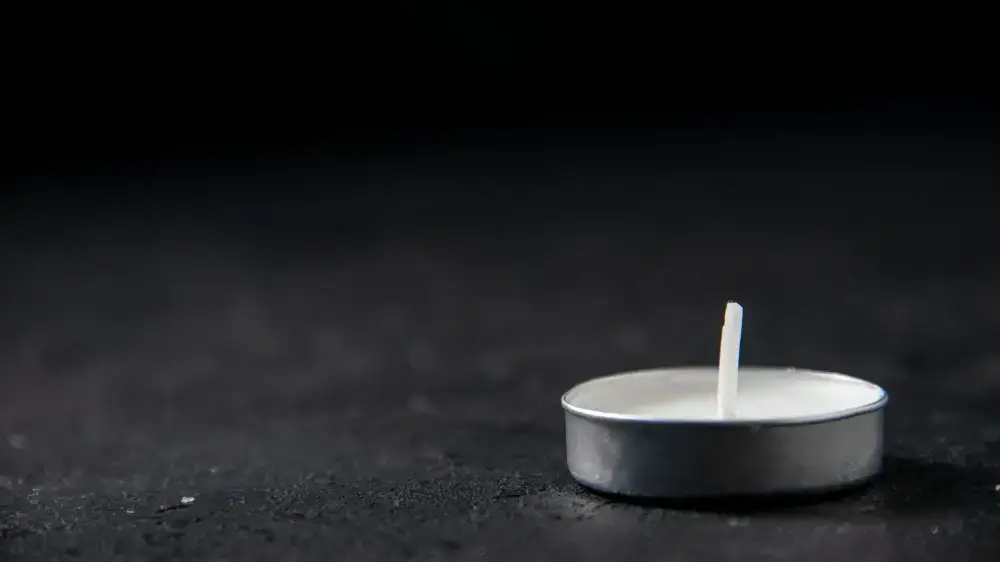
The most reliable approach to how to remove candle wax starts with the right product and the right technique. Anyone who has struggled with how to remove candle wax will find that consistency matters more than any single method. Professional cleaners recommend how to remove candle wax practices that combine preparation, treatment, and prevention. Understanding how to remove candle wax correctly saves both time and money compared to trial-and-error approaches. This guide covers how to remove candle wax from every angle. Each method for how to remove candle wax is explained with the exact steps that deliver reliable results.
A spilled candle can ruin your mood in seconds. Hot wax spreads fast and hardens quickly, and reaching for the wrong tool to remove it can scratch your table, stain your fabric, or spread the mess further.
The good news is that knowing how to remove candle wax from different surfaces is straightforward. The key principle works across almost every material: harden the wax first, then lift it, then treat any residue. Here are five effective methods for the most common surfaces.
Why the right method matters for each surface
Wax is a waxy, oil-based substance that sticks to porous and non-porous materials differently. On fabric and carpet, it sinks into fibers. On wood and flooring, it hardens on top of the surface but leaves an oily residue behind. On smooth surfaces like glass, it chips away cleanly once hardened.
Using heat to remove wax from some surfaces works well. Using it on others, like finished hardwood, can damage the wood’s finish or force the wax deeper into the grain. Choosing the right approach for each material avoids those problems.
For detailed information on fabric care chemistry, the American Cleaning Institute provides consumer-facing guidance on treating wax and oil-based stains on various materials.
Method 1: Freeze and scrape for hard surfaces
This is the best starting method for wax on hardwood floors, tile, laminate, and furniture.
- Place a bag of ice or a freezer pack over the wax.
- Leave it for five to ten minutes until the wax is completely hardened.
- Use a plastic scraper or an old credit card to chip the wax away.
- Lift the pieces instead of scraping them across the surface.
- Treat any remaining residue with mineral spirits or furniture polish.
Never use a metal scraper on hardwood floors or finished wood furniture. Plastic tools prevent scratches.
For wax on hardwood floor specifically, follow up with a wood floor cleaner to restore the shine after removing the residue.
Method 2: Iron and absorbent cloth for fabric and carpet
Heat is effective for removing candle wax from fabric because it re-melts the wax and transfers it into an absorbent cloth.
- Let the wax harden completely before starting. Do not try to remove soft or warm wax from fabric.
- Use a dull knife or the edge of a credit card to remove as much solid wax as possible first.
- Place a brown paper bag, paper towel, or a clean cloth over the wax stain.
- Run a warm iron over the paper or cloth for a few seconds. The wax will melt into the paper.
- Move to a clean area of the paper as it absorbs the wax, and repeat until the wax transfers fully.
- For candle wax on carpet, use the same process, holding the iron slightly above the surface rather than pressing directly.
Do not use a hot iron directly on fabric or carpet without the protective layer between them. Always use the lowest heat setting that melts the wax.
After removing the wax, a wax stain on fabric may leave a grease mark. Treat this with a small amount of dish soap worked into the stain, then wash or blot clean with warm water.
Method 3: Boiling water for wax in containers and on ceramic
For wax residue inside candle jars, candleholders, or ceramic dishes, pour boiling water over the surface. The hot water melts the wax, which floats to the top as it cools and can be lifted away in a solid sheet.
This method also works for removing wax on furniture with heat-resistant surfaces or on ceramic tile floors.
After removing the floating wax layer, wipe the container with a clean cloth and wash normally.
Method 4: Dish soap and warm water for residual staining
After removing the bulk of the wax using any of the methods above, a faint waxy film or colored stain from dyed candles often remains. Dish soap and warm water removes most of this residue.
Apply a few drops of dish soap to the area, work it in with your fingers or a soft cloth, and rinse or blot clean. For fabric and carpet, follow up with a clean damp cloth to remove all soap residue, then allow to dry completely.
For wax removal from fabric with a strong dye color (red or dark-colored candles), there may still be a faint tint after cleaning. Treating the area with a small amount of hydrogen peroxide can help on light-colored fabrics. Test on a hidden area first.
Method 5: Commercial wax remover for stubborn wax stains
If the above methods leave behind residue or the wax has penetrated deeply into upholstery or carpet, a commercial stain remover designed for oil-based stains can finish the job.
Products containing citrus-based solvents, such as Goo Gone, are effective for dissolving waxy residue on hard and soft surfaces. Apply according to label instructions and test on a hidden area first.
For wax stain removal from furniture fabrics, follow up by blotting with a clean damp cloth and allowing the area to air dry.
How to remove candle wax from specific surfaces
Wax on a carpet
Let it harden, scrape off the bulk with a plastic card, then use the iron and paper method. After wax removal, treat any remaining stain with a carpet spot cleaner. Our post on how to remove wine stains includes guidance on stain treatment that also applies to dye stains from colored candles.
Wax on wood furniture
Freeze and scrape first. Follow with mineral spirits on a soft cloth, rubbing along the wood grain to lift residue. Finish with furniture polish to restore shine.
Wax on fabric upholstery
Use the iron method. Follow up with dish soap for grease residue. Allow the fabric to dry completely before using. For delicate or dry-clean-only fabric, take the item to a professional cleaner.
Wax on a hardwood floor
Freeze, then use a plastic scraper. Clean the area with a wood-safe floor cleaner. Do not use steam mops or excessive water on hardwood after wax removal.
Wax on glass candle holders or surfaces
Freeze and chip away, or use the boiling water method. Glass is non-porous and the easiest surface for complete wax removal.
Preventing wax spills
A few habits eliminate most candle wax accidents:
- Always place candles on a heat-resistant, waterproof surface.
- Use candle holders with a lip or tray to catch drips.
- Trim wicks to one-quarter inch before each use to reduce dripping.
- Keep candles away from air vents and drafts that cause uneven burning and spilling.
How to remove candle wax from painted walls
Candle drips on painted walls are common in dining rooms and bedrooms where candles are used decoratively. The approach depends on the paint finish.
For flat or matte paint, use the freeze method: hold an ice pack against the wax until it hardens, then gently chip it away with a plastic tool. Do not scrub. Flat paint is fragile and scrubbing causes permanent marks.
For semi-gloss or gloss paint, the freeze and chip method works well, followed by a light wipe with a damp cloth to remove any remaining wax film.
After removing the bulk of the wax, a residual oily mark may remain. Apply a small amount of dish soap to a damp cloth, gently dab the area, and rinse with a barely damp cloth. Allow to dry completely before evaluating whether additional treatment is needed.
How to remove candle wax from a tablecloth
Tablecloths are one of the most common places for candle wax accidents during dinners and gatherings. The iron method works well for most tablecloth fabrics.
After using the iron method to lift the wax, wash the tablecloth according to care label instructions. Before placing it in the dryer, confirm that the wax stain is completely gone. If any residue remains, treat with a stain remover and wash again before drying.
For linen tablecloths, which are delicate, take care with the iron temperature and use the lowest heat setting that melts the wax. For polyester blends, confirm the fabric can tolerate light heat before applying the iron.
Knowing how to remove candle wax from tablecloths and fabric correctly preserves pieces that are often passed down or used for special occasions.
When to call a cleaning professional
If a wax spill has left a large stain on upholstered furniture, carpet, or hardwood that home methods cannot fully remove, professional cleaning can restore the surface safely.
At Asubra Cleaning Services, our deep cleaning service covers upholstery, carpets, and all floor types in homes across the South Shore of Massachusetts, including Weymouth, Hingham, Quincy, and Plymouth.
Contact us for a fast quote and let our team handle what home remedies leave behind.
Frequently asked questions about how to remove candle wax
How to remove candle wax from a carpet without an iron? If you do not have an iron available, use the freeze method. Place ice in a plastic bag, hold it over the wax until it hardens completely, then chip away the solidified wax with a plastic card. For the waxy residue left behind, apply a small amount of dish soap and warm water, blot with a clean cloth, and allow to dry. This is an effective alternative for how to remove candle wax from carpet without heat.
How to remove candle wax from clothes in the washing machine? Pre-treat the stain before washing. Allow the wax to harden, then chip away as much as possible. Apply a commercial stain remover or dish soap to the remaining residue. Wash on a cool cycle. Do not machine dry until you confirm the wax stain is fully gone. Understanding how to remove candle wax from fabric before machine washing prevents the wax from spreading to other garments.
How to remove candle wax from a glass candle holder? Fill the holder with boiling water. The wax will melt and float to the surface. Allow to cool until the wax hardens into a disk, then lift it out cleanly. Wash the holder with soap and warm water. This is the easiest method for how to remove candle wax from glass containers.
How to remove candle wax from a wooden floor without scratching it? Use the freeze method: ice pack until fully hardened, then a plastic scraper at a low angle. Never use a metal tool on hardwood. Clean any remaining residue with mineral spirits on a soft cloth, working with the grain. Polish afterward. This is how to remove candle wax from wood flooring without causing visible damage.
How to remove candle wax: quick reference by surface
How to remove candle wax from carpet: freeze, scrape, iron with paper, treat residue with dish soap. How to remove candle wax from wood: freeze, plastic scraper, mineral spirits for residue. How to remove candle wax from fabric: iron and paper method, wash after. How to remove candle wax from glass: boiling water or freeze method.
For every surface, the process for how to remove candle wax follows the same logic: harden it, lift it, treat the residue. That sequence works across materials and prevents the damage that comes from trying to clean warm, soft wax before it has fully solidified.
Knowing how to remove candle wax from different surfaces makes every candle accident manageable. How to remove candle wax from a wool rug: freeze, chip, then iron with paper. How to remove candle wax from a painted wall: freeze and plastic scraper only. How to remove candle wax from a ceramic dish: boiling water. How to remove candle wax from clothing: iron method before machine washing. Each situation calls for the same basic logic of how to remove candle wax: harden it, lift it, treat the residue.
Wax comes off cleanly with the right approach
Knowing how to remove candle wax is a matter of using the right method for the right surface. Freeze and scrape for hard surfaces. Heat and absorb for fabric and carpet. Dish soap handles the residue. And commercial solvents close out the stubborn cases.
Act after the wax has fully hardened and you will remove it cleanly without damage.