
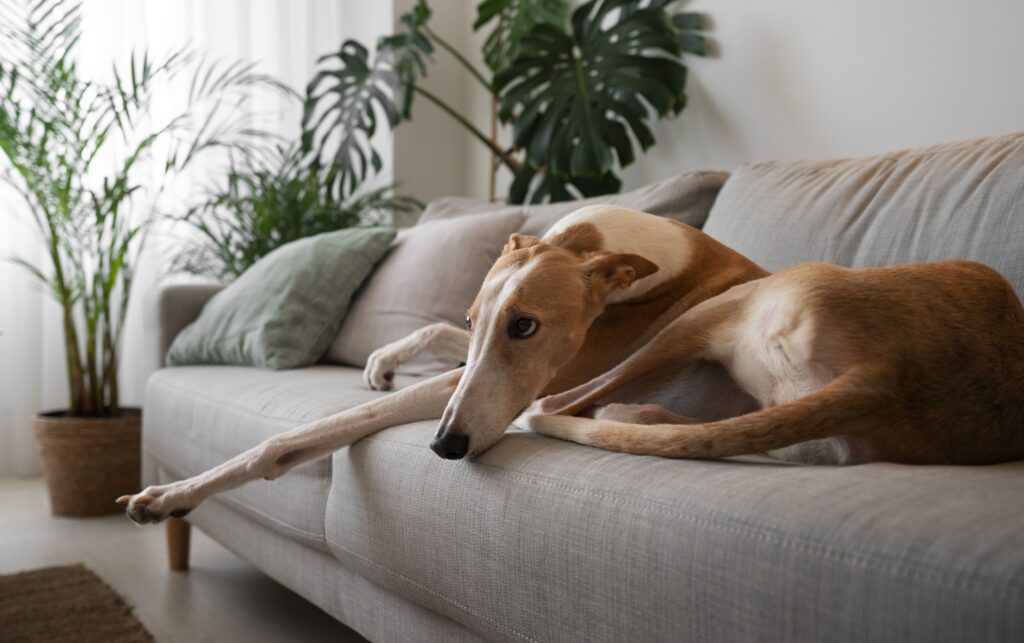
Sharing your home with beloved cats and dogs brings endless joy, but it can also introduce distinct household smells. When a house smells like pets, the odor is rarely coming from the animals themselves. Instead, it is usually the result of accumulated oils, trapped fur, dander, unwashed pet bedding, litter box residue, damp paws, and occasional accidents that have settled into porous household surfaces.
Reaching for heavy plug-in air fresheners or aerosol sprays only masks unpleasant smells temporarily, often creating a cloying mixture of artificial perfume and pet odor. True freshness comes from locating the source of the smell, cleaning the surface thoroughly, and eliminating the bacteria and organic residue causing the problem.
Where Pet Odors Usually Hide
Pet beds, blankets, crates, and favorite furniture spots.
Soft fabrics are notorious odor traps. Because pets spend hours lounging on their beds and favorite living room sofas, body oils, dander, and saliva quickly embed themselves deep within the fibers.
Carpets, rugs, entryways, and corners.
Wall-to-wall carpeting and area rugs act like giant air filters, trapping airborne pet dander and tracked-in outdoor moisture every time your furry friend walks inside.
Trash cans, litter areas, food bowls, and floor mats.
Pet feeding stations collect scattered food crumbs and moisture, while litter boxes and waste bins can release subtle, ongoing odors if not sanitized regularly.
Why fabric and porous surfaces hold odors longer than hard surfaces.
Hard surfaces like tile, glass, and sealed hardwood can be wiped clean easily. Porous materials—such as upholstery, carpet padding, unsealed wood, and drywall—absorb organic liquids and microscopic vapors, releasing smells slowly over time.
Step-by-Step Pet Odor Removal Routine
Remove loose hair and debris first.
Start by vacuuming up all loose fur and dust from floors, carpets, and furniture. For an efficient approach to clearing out fur first, review our guide on pet hair removal article.
Wash pet bedding and washable textiles.
Strip pet blankets, cushion covers, and washable beds weekly. Launder them in hot water with a pet-safe detergent to dissolve trapped oils and bacteria.
Clean floors and high-traffic pet zones.
Mop hard floors with a gentle, pet-safe cleaner, and deep-clean carpets in heavy traffic zones. For safe and effective carpet maintenance, utilize a reliable carpet cleaning solution that lifts embedded grime without leaving sticky soap residues behind.
Treat accidents promptly with the right product type.
If your pet has an accident on a rug or floor, blot up excess liquid immediately and treat the spot before it sets.
Why enzyme cleaners may be useful for organic pet accidents.
Standard household cleaners often fail to break down uric acid crystals in pet urine. Enzymatic cleaners contain specialized biological catalysts that actively break down and digest organic proteins and uric crystals, eliminating the odor at its chemical root rather than just covering it up.
Quick checklist for weekly pet odor control.
- [ ] Launder pet bedding, blankets, and machine-washable cushion covers
- [ ] Vacuum carpets, rugs, and upholstered furniture thoroughly
- [ ] Wipe down pet feeding areas, bowls, and surrounding floor mats
- [ ] Empty, wash, and sanitize pet waste bins and litter box zones
- [ ] Maintain a consistent housekeeping routine, keeping habits aligned with tips from cleaning a house with pets
Note: Avoid giving product advice that conflicts with manufacturer labels or pet safety needs.
Pet Safety Reminder: Always check product safety labels to ensure cleaners are non-toxic and safe for cats and dogs, who frequently groom themselves and walk on treated surfaces.
How to Prevent Pet Odors From Returning
Keep pet bedding on a schedule.
Establish a strict bi-weekly or weekly washing routine for all pet textiles so body oils never get the chance to build up and turn rancid.
Vacuum and mop traffic areas consistently.
Frequent vacuuming prevents dander and hair from settling deep into carpet backings, keeping ambient pet smells under control.
Clean bowls, mats, and litter areas frequently.
Wash pet food bowls daily and wipe down litter boxes and surrounding mats multiple times a week to keep lingering food and waste odors at bay.
When Professional Cleaning Helps
Even with diligent daily upkeep, pet dander and microscopic organic residue can accumulate in hard-to-reach places over time. Partnering with Asubra Cleaning for maintenance cleaning ensures your floors, baseboards, and high-traffic living spaces remain pristine, neutralizing lingering odors and keeping your home fresh for everyone. Contact us!
FAQ
What removes pet odors from a house?
The most effective way to remove pet odors is deep cleaning the source: washing pet bedding, using enzymatic cleaners on organic accidents, vacuuming carpets and upholstery regularly, and ensuring good home ventilation.
Why does my house still smell like pets after cleaning?
If odors persist after a general clean, the smell is likely trapped deep inside hidden porous materials—such as unsealed subfloors beneath carpets, deep upholstery padding, unwashed curtains, or HVAC filters holding trapped dander.
How often should pet owners schedule house cleaning?
For homes with shedding pets or multiple animals, scheduling a thorough maintenance cleaning every two weeks helps keep pet dander, hair accumulation, and background odors completely under control.