
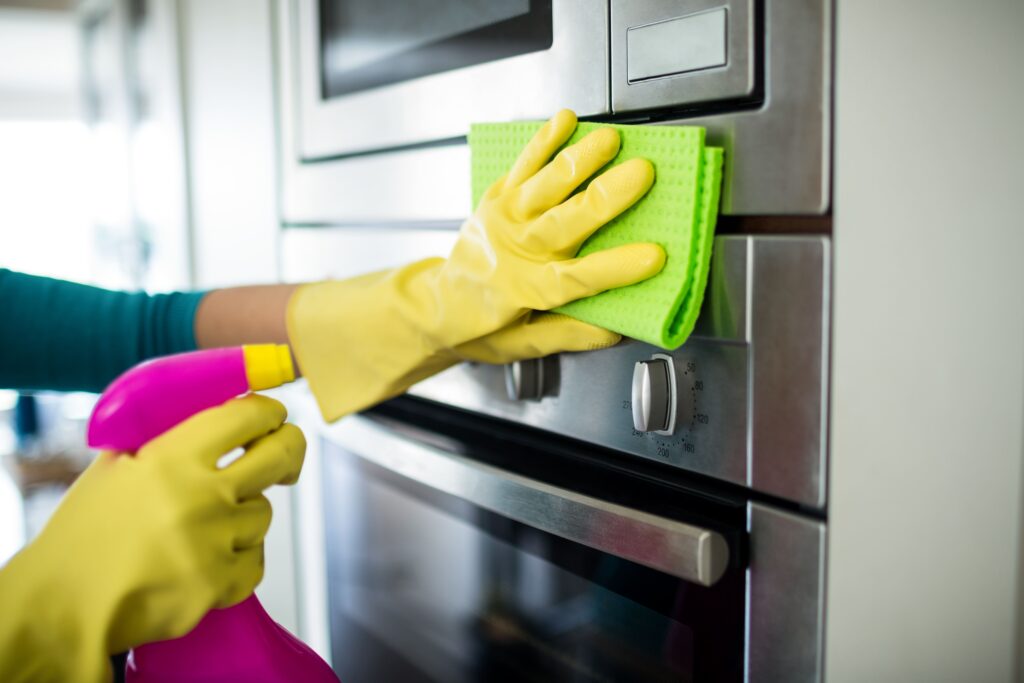
Stainless steel appliances bring a sleek, modern, and professional aesthetic to any kitchen. However, that beautiful metallic finish comes with a downside: it acts as a magnet for fingerprints, water spots, cooking grease, and smudges. Because of its reflective surface, even minor residue stands out dramatically, making a clean kitchen look messy if the appliances are neglected.
Achieving a flawless, mirror-like shine isn’t about using harsh chemicals; it is entirely about technique. Eliminating streaks depends on following the metal’s natural grain, using minimal product, and thoroughly buffing the surface dry.
Why Stainless Steel Gets Streaky
Too much product leaves film.
Applying too much cleaner or polish is one of the most common mistakes. Excess product leaves behind an oily film that captures dust and creates greasy streaks every time light hits the appliance.
Wiping against the grain creates uneven marks.
Stainless steel is manufactured with a visible linear grain pattern. Wiping or scrubbing haphazardly across this grain scatters light reflections, resulting in a cloudy, streaky appearance.
Dirty cloths spread grease instead of removing it.
Using a cloth that already has traces of kitchen grease or detergent will simply smear oils across your refrigerator or oven door rather than lifting them away.
Why stainless steel cleaners and all-purpose cleaners are not always interchangeable.
Standard multi-purpose window or surface sprays often contain ammonia or alcohol solvents that can strip protective factory coatings, discolor the metal, or leave behind stubborn haze lines. Always verify that your products are safe for brushed metals.
Best Tools and Products
Clean microfiber cloths.
Soft microfiber cloths are essential because they lift oils and trap microscopic dirt particles without scratching the metal finish.
Mild dish soap for greasy residue.
A drop of mild dish soap mixed in warm water is surprisingly effective at cutting through heavy cooking grease without damaging the stainless steel.
Stainless steel-safe cleaner when needed.
For specialized polishing and fingerprint protection, a dedicated stainless steel cleaner or a few drops of food-grade mineral oil works wonders.
Dry buffing cloth for the final pass.
A completely dry, clean microfiber cloth is required for the final buffing stage to absorb residual moisture and guarantee a streak-free shine.
Products to avoid, including abrasive powders and rough scrubbers.
Never use steel wool, abrasive scouring pads, chlorine bleach, or powdered cleansers. These harsh materials will permanently scratch, pit, and dull stainless steel surfaces.
Step-by-Step Streak-Free Method
Identify the direction of the grain.
Look closely at your appliance door to see which way the fine lines run—either horizontally or vertically. Always clean, wipe, and buff in this exact direction.
Remove food residue and grease first.
Before polishing, use a damp cloth with a little mild dish soap to gently wipe away sticky food splatters or heavy grease spots.
Wipe with a lightly damp cloth.
Wipe the entire appliance surface down following the grain using a microfiber cloth dampened with your cleaning solution or soapy water.
Dry immediately and buff with the grain.
Do not let the surface air dry, as water droplets will leave mineral spots. Immediately take your dry microfiber cloth and buff along the grain until the metal sparkles.
How to handle refrigerator doors, dishwashers, ovens, and range hoods.
- Refrigerators: Focus heavily on areas around handles where fingerprints accumulate daily.
- Dishwashers & Ovens: Wipe control panels carefully to avoid spraying liquid directly into electronic buttons and display screens.
- Range Hoods: These collect airborne cooking oils rapidly, so they may require a gentle pre-wash with warm soapy water before polishing.
Simple weekly stainless steel maintenance checklist.
- [ ] Wipe down high-touch handle zones with a damp microfiber cloth
- [ ] Clean food splatters off oven and microwave fronts
- [ ] Buff refrigerator and dishwasher surfaces following the grain
- [ ] Review deeper tasks like How to clean a refrigerator inside and How to clean a coffee maker
Note: Link the topic to routine kitchen upkeep and recurring home cleaning.
Maintaining gleaming stainless steel appliances is much easier when integrated into your consistent household chores, supporting an overall spotless environment alongside our specialized kitchen cleaning service.
Common Mistakes That Cause Streaks
Overspraying cleaner.
Spraying cleaning product directly onto the appliance surface leads to pooling and heavy residue buildup. Always spray the product onto your microfiber cloth instead.
Using paper towels that leave lint.
Paper towels break down under moisture, leaving behind paper fibers and lint particles that ruin an otherwise clean metallic finish.
Skipping the dry buffing step.
Stopping after the damp wipe stage almost always results in water marks and cloudy drying patterns. The final dry buff is non-negotiable for a professional shine.
When Professional Cleaning Helps
Keeping a busy kitchen looking immaculate requires ongoing effort. At Asubra Cleaning, our professional team ensures that appliance exteriors, countertops, sinks, and all high-use kitchen surfaces are meticulously polished and maintained, giving you a sparkling culinary space without the hassle. Contact us!
FAQ
What is the best way to clean stainless steel appliances?
The best method is wiping the surface down with a damp microfiber cloth and a drop of mild dish soap (or a stainless steel-safe cleaner), always moving in the direction of the grain, and finishing with a dry microfiber buffing cloth.
How do you remove fingerprints from stainless steel?
Fingerprints can be easily removed by wiping the affected area with a microfiber cloth dampened with warm soapy water, followed by a dry buffing pass. For extra resistance, a tiny drop of mineral oil on a cloth will repel future prints.
Can vinegar damage stainless steel?
Diluted white vinegar is generally safe for quick cleaning, but leaving pure or highly concentrated acidic vinegar on stainless steel for extended periods can dull the finish or cause corrosion over time. Always rinse thoroughly.